Connective Tissue Disorders and Acid Reflux
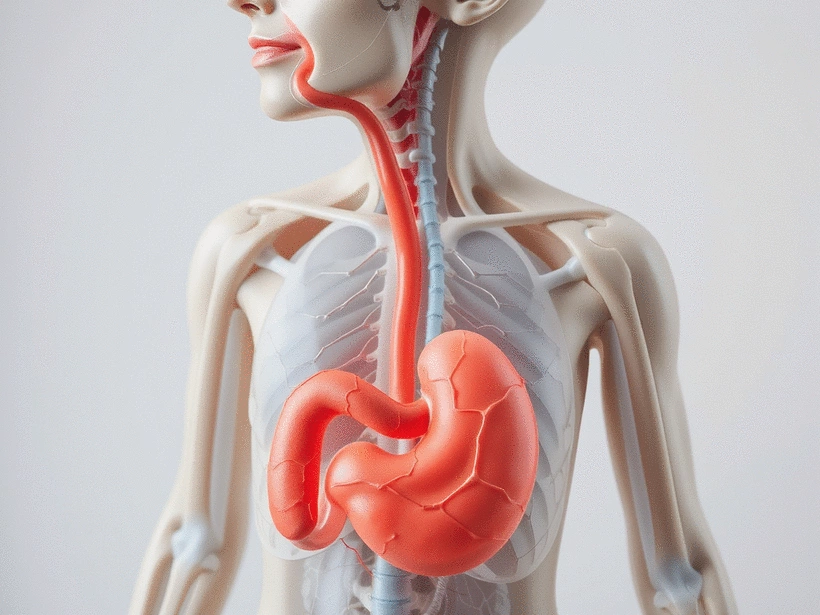
Have you ever considered how disorders affecting connective tissues can impact not just your joints or skin, but also your digestive health? The link between these disorders and acid reflux is more profound than many realize, making understanding this relationship essential for better health management.
What You Will Learn
- Connective tissue disorders like scleroderma and Ehlers-Danlos syndrome can significantly impact digestive health.
- Weakening of the lower esophageal sphincter (LES) due to connective tissue disorders can lead to increased acid reflux symptoms.
- Genetic predisposition plays a crucial role in the manifestation of both connective tissue disorders and acid reflux issues.
- Recognizing the symptoms associated with these disorders can lead to better health management and proactive intervention.
Connective Tissue Disorders & Acid Reflux: The Interplay
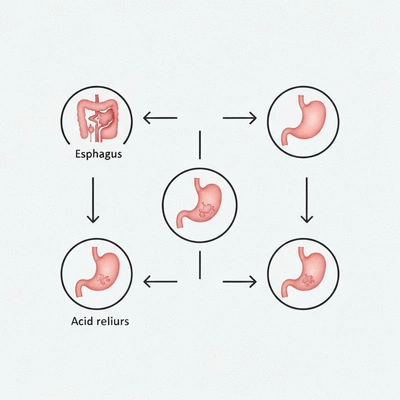
This visual outlines how various connective tissue disorders impact the lower esophageal sphincter (LES) and esophageal motility, leading to increased pressure and structural changes that contribute to acid reflux and GERD.
Connective Tissue Disorders (CTDs)
These conditions affect tissues that support and bind organs. Examples include:
- Scleroderma: Hardening of skin & tissues.
- Ehlers-Danlos: Collagen production issues, hyper-flexibility.
- MCTD: Hybrid symptoms from various CTDs.
Impact on Digestive System
CTDs directly affect key digestive functions:
- Weakened LES: Lower esophageal sphincter may not close properly.
- Altered Esophageal Motility: Delayed gastric emptying and food movement.
- Structural Changes: Collagen abnormalities in the esophagus.
Resulting Acid Reflux / GERD
The dysfunction leads to:
- Stomach acid escaping into the esophagus.
- Increased pressure on the LES.
- Exacerbated reflux symptoms.
Genetic Predisposition
Genetic factors can influence both conditions:
- Increased likelihood with family history of CTDs.
- Impact on acid production & esophageal function.
- Guides preventive measures with healthcare providers.
Understanding the Connection Between Connective Tissue Disorders and Acid Reflux
Do you ever wonder how connective tissue disorders might affect your digestive health? These disorders, such as scleroderma, Ehlers-Danlos syndrome, and mixed connective tissue disease (MCTD), impact the body's connective tissues, which can lead to various health challenges. They often affect joints, skin, and even organs, causing discomfort in ways that many may not realize, including digestive issues like acid reflux.
Connective tissue disorders can lead to a cascade of symptoms that extend beyond mere physical manifestations. They can also complicate the way our bodies function, including how we digest food and manage stomach acid. Understanding this connection is crucial for those who suffer from these conditions, as it can empower them to take proactive steps towards better digestive health.
What Are Connective Tissue Disorders and Their Impact on Health?
So, what exactly are these disorders? Connective tissue disorders are a group of conditions that affect the tissues that support, bind, or separate other tissues and organs in the body. Here are some of the most common types:
- Scleroderma: A condition causing hardening of the skin and connective tissues, affecting multiple body systems.
- Ehlers-Danlos syndrome: A group of disorders that impact collagen production, leading to hyper-flexibility and fragile skin.
- Mixed connective tissue disease (MCTD): A hybrid of symptoms from different connective tissue disorders, often complicating diagnosis.
Each of these conditions can create a unique set of symptoms that may influence an individual's overall health. For instance, those with scleroderma may face challenges with esophageal motility, which can lead to complications like acid reflux. For a comprehensive overview of how various connective tissue diseases can affect the gastrointestinal tract, you can refer to this detailed article on connective tissue diseases and their impact on the gut.
How Connective Tissue Disorders Contribute to Acid Reflux and GERD
Understanding the mechanisms by which connective tissue disorders impact the digestive system is essential. One significant factor is the effect on the lower esophageal sphincter (LES), a muscle that prevents stomach acid from flowing back into the esophagus. In individuals with connective tissue disorders, this muscle may not function properly:
- The LES can become weakened or lax, allowing acid to escape into the esophagus.
- Altered esophageal motility can lead to delayed gastric emptying, increasing the pressure on the LES.
- Structural changes in the esophagus due to collagen abnormalities can exacerbate reflux symptoms.
These factors can lead to gastroesophageal reflux disease (GERD), making it vital for individuals with connective tissue disorders to be aware of their symptoms and seek appropriate care. The connection between inflammatory bowel disease and connective tissue diseases further underscores the complex interplay between these conditions and digestive health.
The Role of Genetic Predisposition in Connective Tissue Disorders and Acid Reflux
Genetic factors can play a significant role in the development of both connective tissue disorders and acid reflux symptoms. If you or a loved one has a history of these conditions, it's worth considering how these hereditary factors might affect your health:
- Family history of connective tissue disorders can increase the likelihood of similar issues manifesting.
- Genetic predispositions may also influence how your body manages acid production and esophageal function.
- Understanding your family medical history can help guide discussions with healthcare providers regarding preventive measures.
By recognizing these connections, we can better understand our bodies and the importance of early intervention to manage potential health issues effectively.
Recognizing the Symptoms Linked to Connective Tissue Disorders and Acid Reflux
It’s essential to be aware of the symptoms that might indicate a link between connective tissue disorders and acid reflux. By understanding what to look for, you can take proactive steps to manage your health.
Frequently Asked Questions (FAQs)
1. How do connective tissue disorders (CTDs) impact digestive health?
CTDs, such as scleroderma and Ehlers-Danlos syndrome, can affect the tissues that support organs, including those in the digestive system. This can lead to issues like a weakened lower esophageal sphincter (LES), altered esophageal motility, and structural changes, all of which contribute to digestive problems like acid reflux.
2. What is the lower esophageal sphincter (LES) and why is it important for preventing acid reflux in CTD patients?
The LES is a muscle that acts as a valve between the esophagus and the stomach, preventing stomach acid from flowing back into the esophagus. In individuals with CTDs, the LES can become weakened or lax, allowing acid to escape, leading to acid reflux and GERD.
3. Can genetic factors influence both connective tissue disorders and acid reflux?
Yes, genetic predisposition plays a significant role in both conditions. A family history of CTDs can increase the likelihood of developing similar issues, and genetic factors can also influence how the body manages acid production and esophageal function, thereby affecting acid reflux symptoms.
4. What are some common connective tissue disorders linked to acid reflux?
Common CTDs linked to acid reflux include Scleroderma (hardening of skin and tissues), Ehlers-Danlos syndrome (collagen production issues and hyper-flexibility), and Mixed Connective Tissue Disease (MCTD), which presents with a combination of symptoms from various CTDs.
5. What steps should I take if I suspect a link between my CTD and acid reflux symptoms?
If you suspect a link, it is crucial to seek medical advice. Keeping a symptom diary, consulting with a gastroenterologist who understands CTDs, and discussing dietary and lifestyle changes with your healthcare provider are important steps. Early intervention can significantly help manage symptoms and improve your quality of life.
We Want to Hear From You!
As you navigate the challenges associated with connective tissue disorders and acid reflux, we want to understand your experiences. What strategies or treatments have you found most effective in managing your symptoms? Share your thoughts below:
Summarizing the Impact of Connective Tissue Disorders on Acid Reflux
As we have explored, there is a critical link between connective tissue disorders (CTDs) and the development of acid reflux symptoms. Patients with conditions such as scleroderma and Ehlers-Danlos syndrome often face unique challenges that can exacerbate their acid reflux issues. The dysfunction of the lower esophageal sphincter, coupled with esophageal motility disorders, can lead to a range of uncomfortable symptoms.

Moreover, the complications arising from untreated gastroesophageal reflux disease (GERD) can be particularly concerning for individuals with CTDs. This highlights the importance of recognizing and managing symptoms early, as they can significantly impact the quality of life. Understanding this connection can empower patients to take proactive steps toward their health and well-being.
Taking Action: What Should You Do If You Experience Symptoms?
If you suspect a link between your connective tissue disorder and acid reflux, it is crucial to seek medical advice. Your healthcare provider can conduct assessments to better understand your symptoms and explore management options tailored to your specific needs. Don’t hesitate to reach out—early intervention can make a significant difference!
- Keep a symptom diary to track your experiences and potential triggers.
- Consult with a gastroenterologist who understands the nuances of CTDs.
- Discuss dietary habits and lifestyle changes that may alleviate symptoms.
For further reading and support, What is Acid Reflux offers valuable resources that can help individuals navigate their digestive health challenges. Empower yourself with knowledge and share your experiences with others who understand the journey. Remember, you are not alone in this! What steps will you take today to improve your digestive well-being?
Recap of Key Points
Here is a quick recap of the important points discussed in the article:
- Connective tissue disorders like scleroderma and Ehlers-Danlos syndrome can significantly impact digestive health, leading to issues such as acid reflux.
- The dysfunction of the lower esophageal sphincter (LES) and altered esophageal motility are key factors contributing to acid reflux in individuals with connective tissue disorders.
- Genetic predisposition plays a role in both connective tissue disorders and acid reflux, making family history an important factor to consider.
- Recognizing symptoms early and seeking medical advice can help manage the complications associated with gastroesophageal reflux disease (GERD).
- Keeping a symptom diary and consulting with healthcare professionals can provide valuable insights into managing symptoms effectively.