Personalized GERD Diet Tips

Have you ever felt that uncomfortable burning sensation after a meal, wondering what could be causing it? Understanding GERD can unlock the key to alleviating your discomfort and improving your quality of life.
What You Will Learn
- GERD is characterized by reflux of stomach acid, causing symptoms like heartburn, regurgitation, and dysphagia.
- Identifying trigger foods is crucial in managing GERD symptoms effectively.
- Incorporating antacid foods and modifying meal timing can significantly reduce GERD discomfort.
- Flexibility in your diet and adjusting portion sizes can lead to better GERD management.
- Utilizing online resources, books, and dietitian consultations can enhance your understanding and support for managing GERD.
Key Strategies for a Personalized GERD Diet Plan
Understanding what works for your body is crucial in managing GERD. Below are key strategies focusing on flexibility, resources, and actionable steps.
Flexibility in Your Diet
Adjusting your diet as you discover what best alleviates your symptoms is key. Experiment with new foods and listen to your body.
- Experiment with new foods
- Adjust portion sizes
- Listen to your body
Resources for Support
Education and support are vital. Utilize various resources to empower yourself with knowledge.
- Online forums & communities
- Reputable books & guides
- Dietitian consultations
Download Your Meal Planner
Organize your meals, identify triggers, and track what works for you with a custom meal planner.
Connect with Professionals
Reach out to dietitians or support groups for professional guidance and shared experiences.
Understanding GERD and Its Dietary Implications
Gastroesophageal reflux disease, or GERD, is more than just a pesky inconvenience; it can significantly affect daily life. Many of my patients often share their experiences of discomfort, such as heartburn and a feeling of fullness that interferes with their activities. Understanding what GERD is and how it impacts our lives is the first step toward effective management.

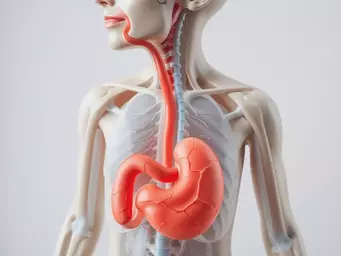
This condition occurs when stomach acid flows back into the esophagus, leading to irritating symptoms. Many individuals find themselves avoiding social situations or certain foods due to their discomfort. My goal at What is Acid Reflux is to help you navigate these challenges with knowledge and practical strategies.
What is GERD and How Does It Affect Daily Life?
GERD can manifest in various ways, and it’s crucial to recognize how it may influence your lifestyle. Symptoms may include:
- Heartburn: A burning sensation in the chest, especially after eating.
- Regurgitation: The feeling of acid backing up into your throat or mouth.
- Dysphagia: Difficulty swallowing, which can make eating feel daunting.
- Chronic cough: A persistent cough that can disrupt daily conversations.
Understanding these symptoms can empower you to seek relief and explore effective management strategies. Often, lifestyle changes—especially in diet—play a pivotal role in reducing these symptoms. For more comprehensive information on GERD symptoms and management, you can refer to resources like NIDDK's guide on Acid Reflux (GER & GERD).
The Role of Diet in Managing GERD Symptoms
Your diet is a key player in managing GERD. At What is Acid Reflux, I emphasize the importance of recognizing foods that may trigger symptoms. A tailored diet can help alleviate discomfort and improve overall digestive health. Here are some ways diet impacts GERD:
- Identifying Trigger Foods: Knowing what aggravates your symptoms is essential for avoidance.
- Incorporating Antacid Foods: Certain foods have soothing properties that can ease acid reflux.
- Meal Timing: Eating smaller meals at regular intervals can help minimize symptoms.
By being mindful of what you eat and how much, you can make significant strides in managing GERD. Remember, it’s not just about eliminating favorite foods; it’s about finding a balance that nurtures your digestive health! For further guidance on dietary approaches, NIDDK provides detailed information on eating, diet, and nutrition for GERD.
Interactive Poll: Your Experience with GERD
We want to hear from you! What dietary changes have you found most helpful in managing your GERD symptoms? Share your thoughts below:
Frequently Asked Questions About GERD and Diet
- What is GERD?
- GERD, or Gastroesophageal Reflux Disease, is a chronic condition where stomach acid frequently flows back into the esophagus, causing symptoms like heartburn, regurgitation, difficulty swallowing (dysphagia), and chronic cough. More details can be found on MedlinePlus's GERD page.
- How does diet impact GERD symptoms?
- Diet plays a crucial role in managing GERD. Identifying and avoiding trigger foods, incorporating foods with antacid properties, and adjusting meal timing (e.g., eating smaller, more frequent meals) can significantly help reduce symptoms.
- What are common GERD trigger foods?
- Common trigger foods vary among individuals but often include fatty foods, spicy foods, acidic foods (like citrus and tomatoes), chocolate, caffeine, and alcohol. Keeping a food diary can help identify your specific triggers.
- What are some antacid foods that can help with GERD?
- Foods that can help soothe GERD symptoms include non-acidic fruits (like bananas and melons), vegetables (especially green and root vegetables), lean proteins, and whole grains. These foods can help neutralize stomach acid or are less likely to cause irritation.
- Why is flexibility important in a GERD diet plan?
- Flexibility is vital because GERD affects everyone differently. Experimenting with various foods, adjusting portion sizes, and closely listening to your body's reactions allow you to personalize your diet for optimal symptom management and long-term adherence.
Recap of Key Strategies for Creating a Personalized GERD Diet Plan
As we wrap up our discussion on creating a personalized GERD diet plan, it's essential to remember that flexibility is your friend! Everyone's body reacts differently, and what works for one person may not work for another. This means being open to adjusting your diet as you discover what best alleviates your symptoms. By keeping track of what you eat and how it affects you, you can tailor your approach to suit your unique needs.
Incorporating a variety of foods while avoiding triggers is key to maintaining a balanced and enjoyable diet. Aim to celebrate the diversity of flavors available to you, focusing on meals that nourish your body and promote digestive health.

Importance of Flexibility in Your Diet
Flexibility in your diet helps you stay committed and less overwhelmed by restrictions. Consider these points as you navigate your GERD-friendly choices:
- **Experiment with new foods:** Trying new recipes can keep your meals interesting.
- **Adjust portion sizes:** Sometimes, a smaller serving of a trigger food may be tolerable.
- **Listen to your body:** Pay attention to how different foods affect your symptoms and adjust accordingly.
Finding the right balance between enjoyment and management is crucial for long-term success. As you explore your dietary options, remember to keep a positive mindset and don’t hesitate to seek help if needed!
Resources for Continued Learning and Support
Education and support are vital on your journey to managing GERD effectively. Here are some resources you can utilize:
- Online forums and communities: Connect with others who share your experience and exchange tips.
- Books and guides: Look for reputable materials on GERD management and dietary strategies.
- Dietitian consultations: Collaborating with a registered dietitian can provide personalized advice tailored to your lifestyle.
By utilizing these resources, you’ll empower yourself with knowledge and build a supportive network to encourage you along the way!
Take Action: Start Your Personalized GERD Diet Journey Today
Now that you’ve gathered essential strategies for crafting your personalized GERD diet, it’s time to take action! Remember, the first step is often the hardest, but it can lead to improved comfort and overall health.
Download Your Custom GERD Meal Planner
To make the process easier, don’t forget to download your custom GERD meal planner. This handy tool will help you organize your meals, identify triggers, and keep track of what works for you. Remember, preparation is key to success!
Connect with Dietitians and Support Groups for Ongoing Help
Lastly, consider reaching out to dietitians or joining support groups in your area or online. Sharing experiences and receiving professional guidance can enhance your understanding and management of GERD. This journey doesn’t have to be taken alone—let’s walk it together!
Recap of Key Points
Here is a quick recap of the important points discussed in the article:
- Understand GERD: Recognize symptoms like heartburn, regurgitation, dysphagia, and chronic cough that impact daily life.
- Diet's Role: Identify trigger foods, incorporate antacid foods, and maintain regular meal timing to manage GERD symptoms.
- Flexibility is Key: Experiment with new foods, adjust portion sizes, and listen to your body for effective dietary management.
- Seek Support: Utilize online resources, books, and dietitian consultations for enhanced understanding and management of GERD.
- Take Action: Start your personalized GERD diet journey by downloading meal planners and connecting with support groups.