Safe Supplement Use for Acid Reflux
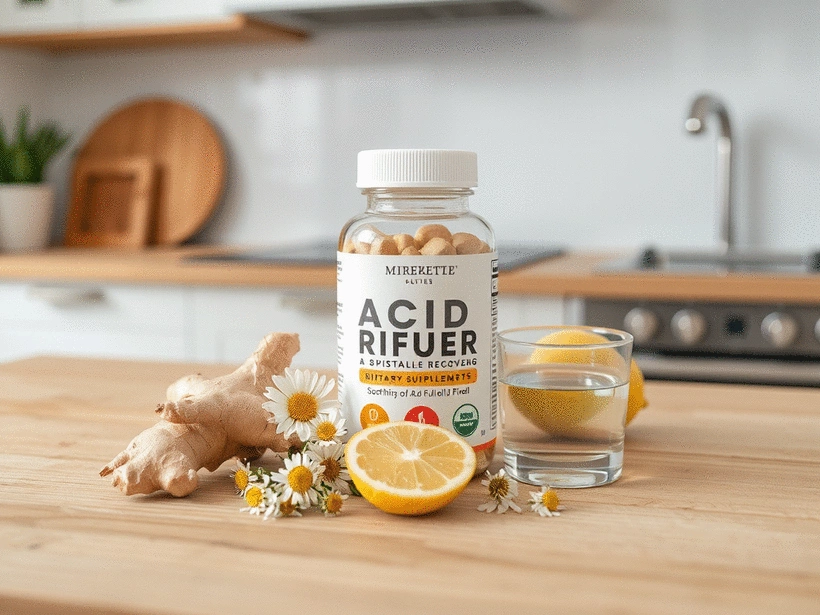
Do you ever find yourself reaching for antacids more often than you'd like? You’re not alone. Millions of individuals grapple with acid reflux, a condition that can disrupt daily life. What if the solution lies not just in medication, but also in dietary supplements and lifestyle changes? Let’s explore some essential insights into managing acid reflux effectively.
What You Will Learn
- Acid reflux can lead to severe complications like esophagitis if not managed properly.
- Common dietary triggers include spicy foods, caffeine, alcohol, and chocolate.
- Dietary supplements such as probiotics, ginger, and digestive enzymes can help alleviate symptoms when used correctly.
- Lifestyle modifications, including smaller meals and stress-reduction techniques, are crucial for effective acid reflux management.
Key Strategies for Acid Reflux Management
Understanding the interplay of dietary choices, supplements, and lifestyle modifications is crucial for effective acid reflux management. The visual below summarizes these core areas and their potential benefits.
• Dietary Triggers & Avoidance
- Spicy/Fatty Foods: Often provoke reflux symptoms.
- Caffeinated Beverages: Can relax the esophageal sphincter.
- Alcohol & Chocolate: Common culprits for exacerbating reflux.
Action: Track triggers with a food diary.
• Supportive Dietary Supplements
- Probiotics: Help balance gut bacteria for overall gut health.
- Ginger: Known for anti-inflammatory effects and soothing digestion.
- Digestive Enzymes: Aid food breakdown, potentially reducing reflux.
Action: Consult HCP before use.
• Lifestyle Modifications
- Smaller, Frequent Meals: Reduces stomach pressure.
- Stay Upright Post-Eating: Minimizes acid flow back into the esophagus.
- Stress Reduction: Techniques like yoga can improve digestive health.
Action: Combined approach for best results.
Understanding Acid Reflux and the Role of Dietary Supplements
As a gastroenterologist, I often encounter patients puzzled by acid reflux and its impact on their daily lives. Acid reflux, also known as gastroesophageal reflux disease (GERD), occurs when stomach acid flows back into the esophagus, leading to uncomfortable symptoms like heartburn, regurgitation, and difficulty swallowing. Understanding this condition is crucial for effective management and recovery.

The effects of acid reflux can be disruptive. Many individuals experience it as a burning sensation in the chest, especially after meals or when lying down. If you’ve ever had to adjust your evening plans because of a flare-up, you're not alone. This condition affects millions and often requires a combination of lifestyle changes and treatments for relief.
What is Acid Reflux and How Does It Affect You?
Acid reflux is more than just occasional heartburn; it can lead to more severe complications if left untreated, such as esophagitis and Barrett's esophagus. It’s essential to recognize the symptoms early and understand the underlying causes. Common triggers include certain foods, beverages, and even stress.
- Spicy or fatty foods
- Caffeinated beverages
- Alcohol
- Chocolate
Recognizing your personal triggers is a vital step in managing acid reflux. Keeping a food diary can help you pinpoint which items to avoid and discuss these insights with your healthcare provider.
The Potential Benefits of Dietary Supplements for Acid Reflux Management
Dietary supplements can play a supportive role in managing acid reflux symptoms. While they shouldn't replace prescribed treatments, they can complement your overall strategy. Supplements such as probiotics, ginger, and digestive enzymes may provide relief by enhancing gut health and improving digestion. For more information on complementary health approaches, you can refer to resources like the National Center for Complementary and Integrative Health.
- Probiotics: These can help balance gut bacteria.
- Ginger: Known for its anti-inflammatory properties, it may soothe the digestive tract.
- Digestive enzymes: They can assist in breaking down food, potentially reducing reflux episodes.
It's essential to consult with your healthcare provider before starting any new supplements. They can help you tailor a plan that fits your unique health needs and ensures safe usage.
Exploring Gastroesophageal Reflux Disease (GERD): A Closer Look
GERD is a more chronic and severe form of acid reflux that requires attentive management. If you’re experiencing symptoms multiple times a week, it’s crucial to consult with a healthcare professional for proper diagnosis and treatment options. Patients often find that lifestyle changes, such as adjusting their diet and eating habits, can significantly reduce their symptoms. Further research on the efficacy of certain interventions, such as dietary modifications, can be found in studies like those published in the National Center for Biotechnology Information.
- Eat smaller meals more frequently.
- Avoid late-night snacks.
- Maintain a healthy weight to reduce pressure on the stomach.
Understanding the nuances of GERD allows for better management strategies and can empower you to take control of your digestive health. Remember, you don’t have to navigate this journey alone—reaching out for support is always a great step!
Frequently Asked Questions (FAQs) About Acid Reflux Management
Q1: What is acid reflux, and how does it differ from GERD?
Acid reflux occurs when stomach acid flows back into the esophagus, causing symptoms like heartburn. GERD (Gastroesophageal Reflux Disease) is a more chronic and severe form of acid reflux, characterized by frequent and persistent symptoms that can lead to complications if left untreated.
Q2: What are common dietary triggers for acid reflux?
Common dietary triggers include spicy foods, fatty foods, caffeinated beverages, alcohol, and chocolate. Tracking your intake with a food diary can help identify personal triggers.
Q3: Can dietary supplements help manage acid reflux?
Yes, supplements like probiotics, ginger, and digestive enzymes can play a supportive role by balancing gut bacteria, soothing the digestive tract, and aiding food breakdown. However, they should complement prescribed treatments and be used under healthcare professional guidance.
Q4: What lifestyle changes are recommended for acid reflux?
Recommended lifestyle modifications include eating smaller, more frequent meals, staying upright for at least two hours after eating, avoiding late-night snacks, maintaining a healthy weight, avoiding known trigger foods, and incorporating stress-reduction techniques.
Q5: When should I consult a healthcare professional for acid reflux?
You should consult a healthcare professional if you experience acid reflux symptoms multiple times a week, if symptoms are severe, or if you are considering starting new supplements or making significant dietary changes to ensure proper diagnosis and personalized treatment.
We Want to Hear From You!
What dietary changes or supplements have you found most helpful in managing your acid reflux? Share your experiences below:
Summarizing Safe Supplement Practices for Acid Reflux Management
When it comes to managing acid reflux, understanding how to use dietary supplements safely is crucial. These supplements can offer relief, but not all options are beneficial for everyone. Here are some key takeaways to keep in mind as you navigate your supplement journey:
- Always opt for well-researched supplements that have demonstrated efficacy in studies.
- Start with small doses and monitor your body’s response before increasing amounts.
- Consult healthcare professionals to ensure that supplements won’t interact negatively with your current medications.
- Maintain a food diary to track any triggers related to your diet and supplements.
Remember, individual needs vary. What works for one person may not work for another, so it’s essential to personalize your approach!
Encouragement to Consult Healthcare Professionals for Personalized Guidance

Before diving into the world of dietary supplements, I encourage you to have a chat with your healthcare provider. They can offer personalized guidance that considers your specific symptoms and overall health. Their expertise allows you to make informed decisions about the best supplement strategy for you.
As a gastroenterologist, I often see how personalized care can lead to better outcomes. Don’t hesitate to reach out! The more information you gather, the better equipped you will be to manage your acid reflux effectively.
Considering Lifestyle Modifications for Better Outcomes
While dietary supplements can be helpful, they are just one piece of the puzzle. To truly manage acid reflux, consider incorporating lifestyle modifications as well. Here are several strategies you might find useful:
- Eat smaller, more frequent meals to reduce pressure on your stomach.
- Stay upright for at least two hours after eating to minimize symptoms.
- Avoid known trigger foods, such as spicy dishes, chocolate, and caffeine.
- Incorporate stress-reduction techniques like yoga or deep-breathing exercises.
Combining these lifestyle changes with the right supplements can enhance your digestive well-being. Remember, it’s about finding what works best for you!
Recap of Key Points
Here is a quick recap of the important points discussed in the article:
- Acid reflux, or GERD, is a condition where stomach acid flows back into the esophagus, causing symptoms like heartburn and regurgitation.
- Identifying personal triggers, such as spicy foods and caffeine, is essential for managing acid reflux.
- Dietary supplements like probiotics, ginger, and digestive enzymes can aid in symptom relief but should complement prescribed treatments.
- Lifestyle modifications, including smaller meals and avoiding late-night snacks, can significantly improve symptoms.
- Consulting with healthcare professionals is crucial for personalized guidance on managing acid reflux effectively.