Stress, Anxiety, and Acid Reflux

As stress increasingly becomes part of our daily lives, its effects can seep into our physical health in unexpected ways. One such connection lies between stress and acid reflux. Understanding how mental well-being influences digestive health can empower you to take charge of your health journey.
What You Will Learn
- Stress can lead to increased stomach acid production, heightening the risk of acid reflux.
- Chronic stress may cause inflammation in the digestive tract, worsening reflux symptoms.
- Distinguishing between anxiety-related chest pain and heartburn is crucial for effective management.
- Recognizing symptoms linked to stress can help in identifying the need for interventions.
- Self-monitoring, including keeping a symptom diary, is essential for managing stress and reflux.
- Regular exercise and quality sleep significantly contribute to reducing stress and improving digestive health.
- Understanding the gut-brain axis emphasizes the need for mental health care in managing acid reflux.
The Stress-Reflux Connection: A Visual Overview
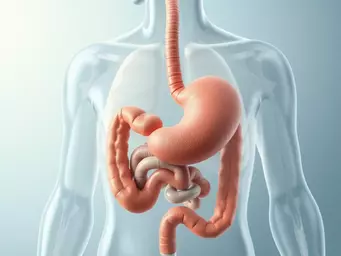
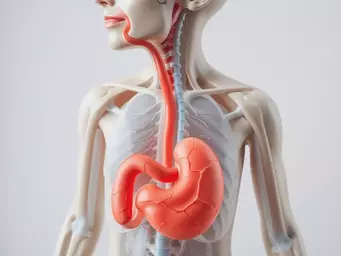
Understanding how stress influences acid reflux requires a look into increased acid production, altered digestion, and inflammation, as well as the critical role of the vagus nerve and LES.
Stress's Impact on Digestion
Physiological Effects
- Increased Stomach Acid: Overproduction of gastric acid.
- Altered Digestion: Slower process, food lingers.
- Inflammation: Chronic stress exacerbates digestive tract issues.
Nervous System Link
- Vagus Nerve Impact: Affects LES relaxation.
- LES Dysregulation: Allows acid into esophagus.
- Gut-Brain Axis: Bidirectional communication affected by stress.
Distinguishing Symptoms
Anxiety vs. Heartburn Chest Pain
- Location: Anxiety - centralized; Heartburn - radiates up.
- Timing: Anxiety - stressful events; Heartburn - meals/foods.
- Accompanying Symptoms: Heartburn - sour taste/burping.
Symptoms of Stress-Linked Reflux
Key Indicators
- Persistent Heartburn: Recurrent burning chest sensation.
- Regurgitation: Sour/bitter taste.
- Difficulty Swallowing: Feeling of food stuck.
- Emotional Symptoms: Anxiety/stress worsen physical symptoms.
Managing Stress to Alleviate Reflux
Self-Care & Monitoring
- Symptom Diary: Track occurrences and stressors.
- Trigger Tracking: Identify foods, activities, emotions.
- Realistic Goals: Aim for gradual lifestyle changes.
Exercise & Sleep Quality
- Exercise: Reduces stress, promotes healthy digestion.
- Quality Sleep: Aids healing, stress coping.
- Mind-Body: Yoga/tai chi for physical and stress relief.
Understanding the Link Between Stress, Anxiety, and Acid Reflux
When we talk about acid reflux, we often focus on dietary triggers and lifestyle choices. However, stress and anxiety play a pivotal role in the onset and severity of symptoms. It’s important to recognize how our mental state can influence our digestive health, allowing us to take meaningful steps toward relief.

Stress doesn't just affect our mood; it also impacts our physiology. When we experience stress, our bodies enter a heightened state of alert, leading to increased production of stomach acid. This can disrupt normal digestion and trigger those uncomfortable symptoms we associate with acid reflux, such as heartburn and regurgitation.
How Stress Influences Acid Production and Digestion
So, what exactly happens in our bodies when we’re stressed? Here's a quick overview:
- Increased Stomach Acid: Stress can lead to the overproduction of gastric acid, heightening the risk of reflux.
- Altered Digestion: Stress can slow down the digestive process, causing food to linger longer in the stomach, which can intensify acid reflux.
- Inflammation: Chronic stress may lead to inflammation in the digestive tract, further exacerbating symptoms.
Understanding these physiological effects can help us see the importance of managing stress for our digestive health. By addressing both the mind and body, we can work towards alleviating the discomfort of acid reflux.
The Role of the Vagus Nerve and the Lower Esophageal Sphincter (LES)
Another connection that’s critical in understanding acid reflux is the vagus nerve's role. This nerve controls various functions, including the relaxation of the lower esophageal sphincter (LES). When we experience stress, the vagus nerve can be impacted, leading to inappropriate relaxation of the LES. This allows stomach acid to escape into the esophagus, causing heartburn and discomfort.
In simpler terms, stress alters the communication between the brain and digestive system, which can exacerbate reflux symptoms. Recognizing this connection can empower us to take steps that support both our mental and digestive health.
Identifying Symptoms: Distinguishing Between Anxiety and Acid Reflux
One of the biggest challenges in managing digestive health is distinguishing between anxiety-related symptoms and those directly linked to acid reflux. This understanding can be key to effective management.
Recognizing Anxiety-Related Chest Pain vs. Heartburn
Many of us know the feeling of tightness in the chest that accompanies anxiety. It can be tricky to determine whether this discomfort is related to anxiety or to heartburn. Here are a few tips to help differentiate:
- Location of Pain: Anxiety-related chest pain often feels more centralized, while heartburn pain may radiate from the stomach upwards.
- Timing: Anxiety symptoms might intensify during stressful events, while heartburn is often associated with meals or certain foods.
- Accompanying Symptoms: Heartburn may include symptoms like sour taste or burping, which typically don’t accompany anxiety-induced chest pain.
Being able to recognize these distinctions can improve your discussions with healthcare providers and lead to more effective treatment plans.
Common Symptoms of Acid Reflux Linked to Stress and Anxiety
When stress and anxiety are present, you may notice a variety of symptoms that indicate a connection to acid reflux. Here’s a quick list to consider:
- Persistent Heartburn: Recurrent burning sensation in the chest.
- Regurgitation: A sour or bitter taste in the mouth, especially after meals.
- Difficulty Swallowing: A feeling of food getting stuck or a tight throat.
- Emotional Symptoms: Increased feelings of anxiety or stress can worsen physical symptoms.
Understanding these symptoms helps us recognize when stress may be influencing our acid reflux, empowering us to seek appropriate interventions.
Understanding the Gut-Brain Axis and Its Impact on Acid Reflux
The concept of the gut-brain axis highlights the bidirectional communication between our gut and brain. Stress can negatively impact gut health by altering gut flora and increasing intestinal permeability, which might lead to acid reflux. Exploring this connection can help us understand how managing stress might improve our digestive health.
In essence, taking care of our mental well-being is just as crucial as focusing on our diet and lifestyle choices when it comes to managing acid reflux.
Pro Tip
Did you know that incorporating relaxation techniques into your daily routine can significantly impact your acid reflux symptoms? Practices such as mindfulness meditation, deep breathing exercises, and progressive muscle relaxation can help reduce stress and lower the production of stomach acid. Consider dedicating just a few minutes each day to these techniques to foster a calmer mind and healthier gut!
Breaking the Cycle: Managing Stress to Alleviate Acid Reflux
When it comes to acid reflux, understanding the relationship between stress and your symptoms is crucial. By addressing underlying stress and anxiety, we can significantly improve your acid reflux condition. It's fascinating how these two factors often feed into each other, creating a cycle that can be tough to break. But don't worry! With the right strategies, you can take control and find relief.

One of my favorite parts of working with patients is helping them discover that managing their stress can lead to a notable reduction in reflux symptoms. Let's take a look at how we can make this happen!
Encouraging Ongoing Self-Care and Monitoring
Self-care is not just a buzzword; it's a vital part of managing your health. By consistently monitoring your symptoms, you can adapt your management strategies to better suit your needs. Here are some helpful tips for effective self-assessment:
- Keep a Symptom Diary: Note when your reflux symptoms occur and any associated stressors. This can help identify patterns.
- Track Your Triggers: Pay attention to foods, activities, and emotions that may exacerbate your acid reflux.
- Set Realistic Goals: Aim for gradual changes in your lifestyle, ensuring you’re more likely to stick with them.
By incorporating these practices into your daily routine, you’ll start to see how stress and acid reflux are intertwined, allowing you to adjust your strategies for better outcomes!
The Role of Exercise and Sleep Quality in Managing Symptoms
Regular exercise and good sleep quality are essential components of stress management. Both can positively influence your reflux symptoms and overall well-being. Here's how:
- Exercise: Engaging in regular physical activity can help reduce stress levels and promote healthy digestion. Aim for at least 30 minutes most days!
- Quality Sleep: Prioritizing restful sleep allows your body to heal and recharge, which can help you cope with stress better. Research is ongoing to further explore the connection between sleep and digestive health.
- Mind-Body Connection: Activities like yoga and tai chi can provide both physical exercise and stress relief, benefiting your digestive health.
Incorporating these habits into your life can create a positive feedback loop, where reduced stress leads to fewer reflux symptoms, enhancing your overall quality of life!
Frequently Asked Questions About Stress and Acid Reflux
- Q: How does stress directly cause acid reflux?
- A: Stress can increase the production of stomach acid and slow down digestion, leading to food lingering in the stomach. It also affects the vagus nerve, which can cause the lower esophageal sphincter (LES) to relax inappropriately, allowing acid to flow back into the esophagus.
- Q: Can anxiety-related chest pain be mistaken for heartburn?
- A: Yes, anxiety-related chest pain can be confused with heartburn. Anxiety pain is often centralized, while heartburn tends to radiate upwards from the stomach. Heartburn may also be accompanied by a sour taste or burping, which are not typical of anxiety chest pain.
- Q: What are common symptoms of acid reflux linked to stress?
- A: Symptoms include persistent heartburn, regurgitation (sour/bitter taste), difficulty swallowing, and a worsening of physical symptoms due to increased anxiety or stress.
- Q: How can I manage stress to reduce acid reflux symptoms?
- A: Managing stress can involve keeping a symptom diary to identify triggers, engaging in regular exercise, prioritizing quality sleep, and practicing mind-body techniques like yoga or tai chi. Setting realistic goals for lifestyle changes also helps.
- Q: What is the gut-brain axis and how does it relate to acid reflux?
- A: The gut-brain axis refers to the bidirectional communication between the gut and the brain. Stress can negatively impact gut health by altering gut flora and increasing intestinal permeability, which can contribute to acid reflux. Managing mental well-being is vital for digestive health due to this connection.
Taking Action: Your Personalized Path to Relief
Now that we've explored the connections between stress, anxiety, and acid reflux, it's time to take action! Empower yourself by making proactive changes that cater specifically to your needs. Whether that means adjusting your diet, seeking therapy, or trying out relaxation techniques, every step you take is a step toward relief.
Remember, I'm here to support you through this journey at What is Acid Reflux. Together, we can create a personalized plan that helps you manage your stress while alleviating your acid reflux symptoms. What steps will you take today?
Recap of Key Points
Here is a quick recap of the important points discussed in the article:
- Stress Impact: Stress and anxiety can lead to increased stomach acid production and altered digestion, worsening acid reflux symptoms.
- Vagus Nerve Role: The vagus nerve influences the relaxation of the lower esophageal sphincter (LES), which can allow stomach acid to escape into the esophagus.
- Identifying Symptoms: Distinguishing between anxiety-related chest pain and heartburn is crucial for effective management.
- Self-Care Strategies: Keep a symptom diary, track triggers, and set realistic goals to manage reflux symptoms effectively.
- Exercise and Sleep: Regular physical activity and quality sleep can help reduce stress and improve digestive health.