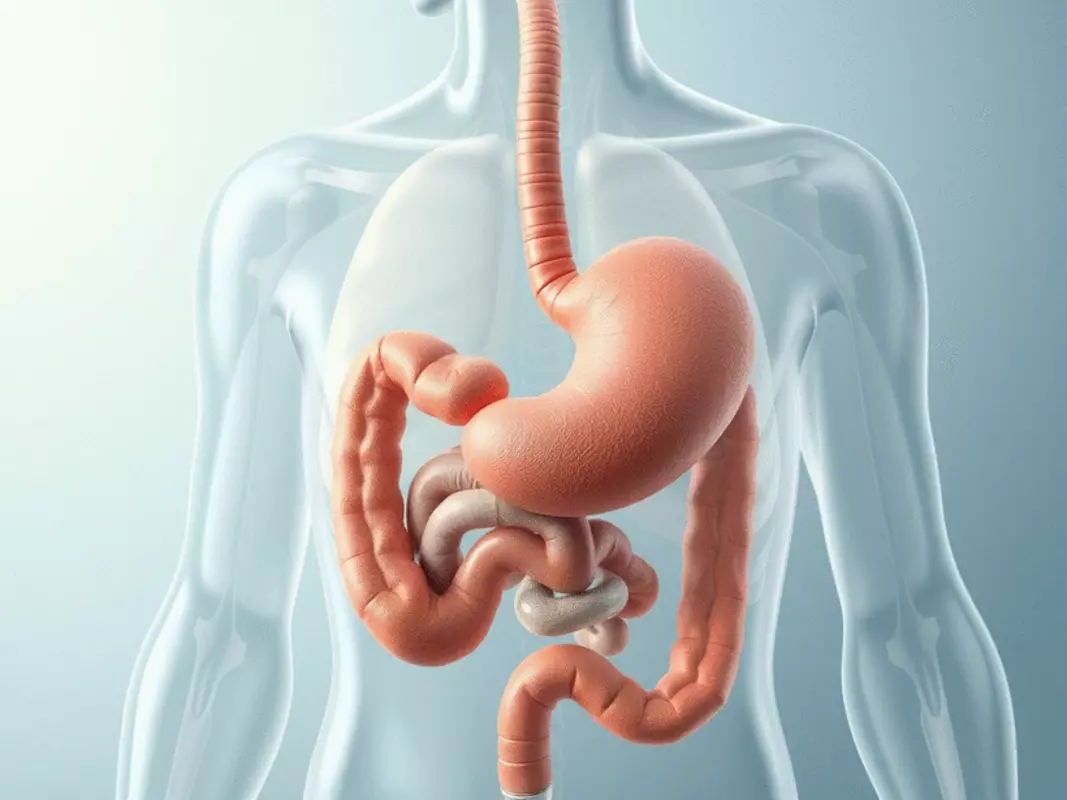
Managing Acid Reflux Triggers

How often do you experience that unsettling burning sensation after a meal? With millions affected by acid reflux, understanding its triggers can be a game-changer in managing your digestive health effectively.
What You Will Learn
- Acid reflux occurs when stomach acid backs up into the esophagus, causing discomfort and various symptoms.
- Common risk factors include obesity, pregnancy, and certain dietary habits that increase susceptibility.
- Recognizing symptoms early, such as heartburn and regurgitation, is crucial for effective management.
- Keeping a food and symptom journal can help identify personal triggers and improve digestive health.
- Implementing gradual lifestyle changes—like regular exercise and portion control—can significantly alleviate symptoms.
Key Triggers and Strategies for Managing Acid Reflux
Understanding what causes acid reflux and how to manage it can significantly improve your well-being. Below is a summary of common risk factors and effective strategies to help you control symptoms.
Understanding Common Lifestyle Triggers for Acid Reflux
Are you familiar with the discomfort that acid reflux can bring? You’re certainly not alone! Acid reflux, also known as gastroesophageal reflux disease (GERD), affects millions of people globally. Understanding the common lifestyle triggers can be key to managing this condition effectively.

At What is Acid Reflux, we aim to equip you with the knowledge necessary to tackle this issue head-on. So, let’s dive deeper into what acid reflux really is and who it impacts!
What is Acid Reflux and Who is Affected?
Acid reflux occurs when stomach acid backs up into the esophagus, leading to a burning sensation in the chest or throat. This condition can affect anyone, but certain groups are at higher risk. Those who are overweight, pregnant, or have a sedentary lifestyle may find themselves more susceptible. For more in-depth information, the National Institute of Diabetes and Digestive and Kidney Diseases (NIDDK) provides comprehensive resources on diet and nutrition related to GERD.
- Individuals with obesity
- Pregnant women
- People with a family history of GERD
- Those with specific dietary habits
Understanding your risk factors is crucial in managing acid reflux effectively. If any of these apply to you, take heart; there are strategies to help reduce symptoms!
Recognizing Symptoms of Acid Reflux and GERD
It’s important to recognize the symptoms of acid reflux early on. Common symptoms include heartburn, regurgitation of food or sour liquid, and difficulty swallowing. Some individuals may even experience chronic cough or a sensation of a lump in the throat.
- Burning sensation in the chest (heartburn)
- Regurgitation of food or liquid
- Difficulty swallowing
- Chronic cough or throat irritation
Are any of these symptoms familiar to you? If so, it might be time to consult with a healthcare professional for a more personalized assessment.
Heartburn: A Key Symptom of Acid Reflux
Heartburn is perhaps the most recognized symptom of acid reflux. It can range from mild discomfort to severe pain that disrupts daily activities. Knowing how to manage heartburn can significantly improve your quality of life.
- Identify triggers that worsen heartburn
- Monitor your diet and meal timing
- Explore lifestyle changes that can help
Addressing heartburn effectively requires a proactive approach. By keeping track of what triggers your symptoms, you can start making informed changes to your lifestyle and diet. For further insights on how to manage this common symptom, the Mayo Clinic offers valuable expert answers on heartburn and GERD.
Pro Tip
Did you know? Incorporating smaller, more frequent meals throughout the day can help manage acid reflux symptoms more effectively. This approach eases the burden on your digestive system, allowing for better digestion and reducing the likelihood of flare-ups. Consider experimenting with meal timing and portion sizes to find what works best for you!
Summary of Key Strategies to Avoid Acid Reflux Triggers
Managing acid reflux can feel like a complex puzzle, but there are several strategies you can implement to find relief. By understanding your unique triggers and making small adjustments to your lifestyle, you can significantly reduce the frequency and severity of your symptoms. Here are some essential strategies to keep in mind as you navigate your journey towards better digestive health.
One of the first steps is to keep a food and symptom journal. This can really help you identify which foods exacerbate your reflux. I recommend jotting down what you eat, when you eat, and any symptoms you experience afterward. Over time, this journal becomes a valuable tool to help you pinpoint your personal triggers and work on minimizing them.

Personalized Approaches: Keeping a Food and Symptom Journal
When I speak with my patients, many express surprise at how enlightening a food and symptom journal can be. It’s not just about noting what you eat; it’s about understanding how your body responds. By tracking your habits over time, you can start to see patterns that might not be obvious at first glance.
- Record meals and snacks throughout the day
- Note the time you eat and any relevant activities
- Document your symptoms and their intensity
In addition to food, consider tracking other factors, like stress levels and sleep quality, as these can also influence your acid reflux. This holistic approach will provide a clearer picture of your digestive health!
Long-Term Prevention: Building Healthy Habits
Creating lasting change is all about building healthy habits that work for you. Start by making gradual lifestyle adjustments rather than aiming for perfection right away. A few small, consistent changes can make a significant difference in managing acid reflux.
- Incorporate regular physical activity into your routine
- Practice portion control at meals
- Opt for GERD-friendly food options
- Stay hydrated throughout the day
Remember, these habits aren’t just about avoiding discomfort; they’re about embracing a lifestyle that supports your overall wellness. As you continue to implement these strategies, it’s important to be patient with yourself. Change takes time, but every step you take brings you closer to relief!
Frequently Asked Questions About Acid Reflux
- What is acid reflux?
- Acid reflux occurs when stomach acid flows back up into the esophagus, leading to irritation and symptoms like heartburn.
- Who is at higher risk for acid reflux?
- Individuals who are overweight, pregnant, have a family history of GERD, or certain dietary habits are generally at higher risk.
- What are the common symptoms of acid reflux?
- Key symptoms include heartburn (a burning sensation in the chest), regurgitation of food or liquid, difficulty swallowing, and sometimes a chronic cough or throat irritation.
- How can keeping a food and symptom journal help?
- A food and symptom journal helps you identify specific foods, activities, or situations that trigger your acid reflux symptoms, allowing for personalized management strategies.
- What lifestyle changes can help manage acid reflux?
- Effective lifestyle changes include incorporating regular physical activity, practicing portion control, choosing GERD-friendly foods, and maintaining proper hydration.
Recap of Key Points
Here is a quick recap of the important points discussed in the article:
- Acid reflux, or GERD, can affect anyone but is more common in individuals who are overweight, pregnant, or have sedentary lifestyles.
- Recognizing symptoms like heartburn, regurgitation, and difficulty swallowing is crucial for early intervention.
- Keeping a food and symptom journal can help identify personal triggers and improve dietary choices.
- Incorporating regular physical activity, practicing portion control, and opting for GERD-friendly foods are essential for long-term prevention.
- Building healthy habits takes time and consistency but can significantly improve digestive health.