Lean Protein and GERD Management
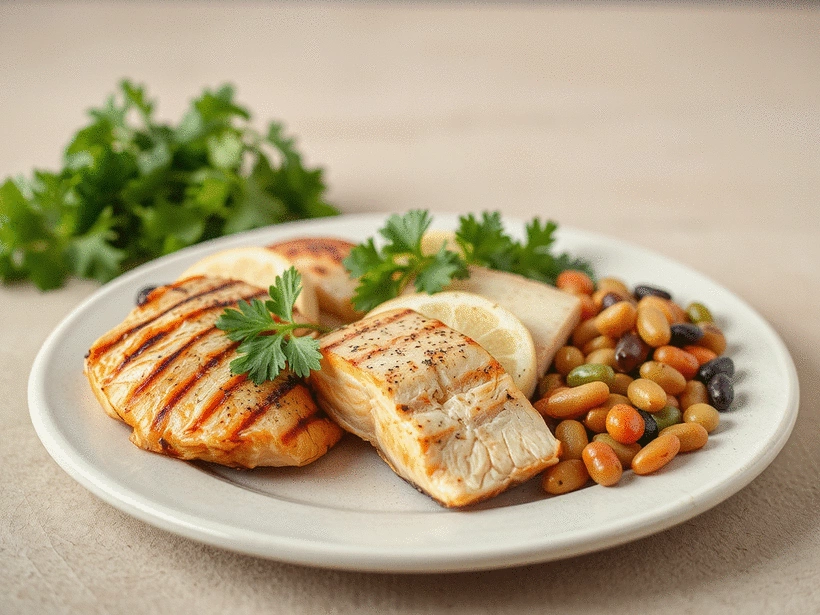
Are you aware that dietary adjustments can significantly impact your GERD symptoms? Understanding how lean protein plays a role can be transformative in managing your digestive health. Let’s explore the essentials.
What You Will Learn
- Lean proteins support the lower esophageal sphincter, helping to keep stomach acid where it belongs.
- Incorporating lean proteins can reduce inflammation, potentially easing GERD symptoms.
- There are diverse options for lean proteins, including both animal and plant-based sources, allowing for dietary flexibility.
- Smaller, more frequent meals featuring lean proteins can promote better digestion and help maintain a stable stomach environment.
The GERD Management Strategy: Lean Protein's Role
Understanding how lean proteins contribute to GERD management involves several key aspects, from supporting the LES to reducing inflammation and aiding digestion.
LES Function Support
Lean proteins strengthen the Lower Esophageal Sphincter, preventing acid reflux and maintaining stomach acid where it belongs.
Inflammation Reduction
They help decrease overall pressure and inflammation in the digestive tract, easing GERD symptoms and promoting healing.
Enhanced Digestion
Lean proteins are easier to digest, contributing to better overall gastrointestinal health and sustained energy.
Diverse Options
Available from both animal and plant sources, allowing for dietary flexibility and varied nutrient intake.
The Role of Lean Protein in Managing GERD Symptoms
Are you struggling with GERD and looking for ways to manage your symptoms? Understanding the role of lean protein in your diet can be a game changer! As a gastroenterologist, I often see the positive effects dietary changes can have on my patients' digestive health. Let's dive into what you need to know about GERD and how lean proteins can help.
Understanding GERD: What You Need to Know
Gastroesophageal reflux disease, commonly known as GERD, occurs when stomach acid frequently flows back into the esophagus. This can cause symptoms like heartburn, regurgitation, and discomfort, impacting your daily life. It's crucial to recognize that managing GERD often involves a multi-faceted approach, including dietary adjustments. Research, such as that published by the National Center for Biotechnology Information (NCBI), highlights the significant impact of dietary modifications on GERD symptoms.
Many people find that their symptoms improve when they focus on what they eat, but the choices can be overwhelming. That’s where understanding the relationship between diet and GERD relief becomes essential!
The Connection Between Diet and GERD Relief
Your diet plays a significant role in managing GERD symptoms. Certain foods can trigger or exacerbate symptoms, while others may provide relief. By choosing the right foods, you can support your digestive system and reduce the frequency of flare-ups. Here are some key dietary strategies to consider:
- Incorporating lean proteins to support digestion
- Avoiding high-fat and fried foods
- Focusing on alkaline foods like vegetables and whole grains
Making these adjustments can help create a more digestive-friendly environment in your body, ultimately leading to better management of GERD. Remember, each person's triggers can be different, so it’s helpful to keep track of what works for you! The Academy of Nutrition and Dietetics emphasizes that good nutrition is key to managing GERD effectively.
Why Choose Lean Protein for a GERD-Friendly Diet?
Choosing lean proteins is an excellent strategy for those managing GERD. Not only are they easier to digest, but they also help maintain muscle mass and provide essential nutrients. By focusing on lean proteins, you can create meals that are both satisfying and beneficial for your digestive health.
How Lean Proteins Support Lower Esophageal Sphincter Function
The lower esophageal sphincter (LES) is a crucial muscle that helps prevent acid reflux. Lean proteins can contribute to the proper functioning of the LES, making it less likely for acid to backflow into the esophagus. By incorporating these proteins into your diet, you can support this important muscle and promote better digestive health.
Benefits of Lean Proteins in Reducing Inflammation and Pressure
In addition to supporting the LES, lean proteins help reduce inflammation in the digestive tract. Here are some ways they can benefit your GERD management:
- Decrease overall pressure on the stomach
- Lower inflammation levels in the esophagus
- Enhance the healing process of any esophageal irritation
By prioritizing lean protein sources, you can work towards a healthier digestive system and mitigate GERD symptoms effectively! Emerging research, such as that highlighted in Frontiers in Immunology, continues to explore the role of diet in reducing inflammation throughout the body, including the digestive tract.
Comparative Analysis: Animal vs. Plant-Based Lean Proteins
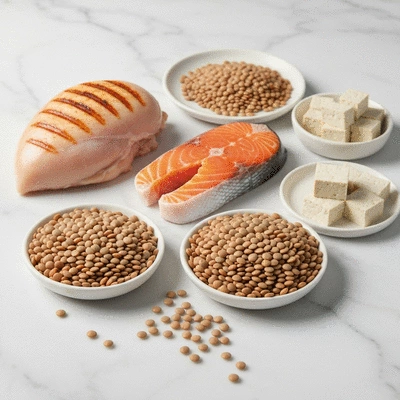
When it comes to lean proteins, you have options from both animal and plant sources. Animal proteins like chicken and fish are typically lower in fat, while plant-based options such as beans and lentils offer fiber and other nutrients. It’s essential to find a balance that works best for your health needs and preferences. Each type of protein has its unique benefits, so feel free to mix and match!
The Role of Dietary Protein in Gastrointestinal Health
Dietary protein is not just about muscle building; it also plays a significant role in maintaining overall gastrointestinal health. A diet rich in lean proteins can aid in better digestion, help regulate blood sugar levels, and provide sustained energy throughout the day. As you consider your options, remember that incorporating a variety of protein sources will enhance your nutrient intake.
Interactive Poll: Your Thoughts on Lean Proteins
As you consider incorporating more lean proteins into your diet, we’d love to hear from you! Which lean protein source do you find most beneficial for managing your GERD symptoms?
Frequently Asked Questions About Lean Protein and GERD
- Q: How do lean proteins help with GERD?
- A: Lean proteins support the lower esophageal sphincter (LES), which prevents stomach acid from flowing back into the esophagus. They also help reduce inflammation in the digestive tract and are easier to digest than high-fat proteins.
- Q: What are some examples of lean proteins?
- A: Examples include skinless chicken, fish, turkey, eggs, tofu, lentils, beans, and low-fat dairy.
- Q: Can plant-based lean proteins be beneficial for GERD?
- A: Yes, plant-based lean proteins like beans, lentils, and tofu are excellent choices. They are often high in fiber and low in fat, which can be beneficial for managing GERD symptoms.
- Q: Should I avoid all fats if I have GERD?
- A: While high-fat foods can trigger GERD symptoms, healthy fats in moderation are important for overall health. The key is to choose lean proteins and reduce your intake of unhealthy, high-fat, and fried foods.
- Q: How can I incorporate lean proteins into my diet effectively for GERD management?
- A: Focus on smaller, more frequent meals that include lean proteins. Pair them with alkaline vegetables and whole grains. Experiment with cooking methods like baking, grilling, or steaming to avoid adding excessive fats.
Key Takeaways on Lean Protein and GERD Management
As we wrap up our discussion on lean protein and its role in managing GERD symptoms, it’s important to reflect on the numerous benefits it offers. Incorporating lean protein sources into your diet can significantly improve digestive health by supporting lower esophageal sphincter function and reducing inflammation. Remember, the right proteins can make a difference in how you feel daily!
To summarize, here are some key benefits of lean protein in your diet:
- Supports the lower esophageal sphincter to help keep stomach acid where it belongs.
- Reduces inflammation, which can ease GERD symptoms.
- Offers a variety of options, from animal-based to plant-based proteins, making it easy to find what works for you.
By focusing on these aspects, you can take proactive steps toward managing your acid reflux more effectively.
Adapting Your Diet for Long-Term GERD Relief
Adapting your diet to focus on lean proteins is a significant step in the journey toward long-term GERD relief. It's not just about what you eat, but how you eat. Incorporating smaller, more frequent meals that include these proteins can help ease the digestive process and maintain a stable stomach environment.
As you plan meals and snacks, consider these practical tips for a GERD-friendly diet:
- Choose lean protein sources like chicken, fish, and tofu.
- Pair proteins with alkaline vegetables to balance acidity.
- Experiment with cooking methods like grilling and steaming to keep meals light and healthy.
Remember, every small change can lead to big improvements over time. It’s about finding what works best for you and your unique needs.

Next Steps: Taking Control of Your GERD Management
Consulting with Healthcare Professionals for Personalized Advice
As you embark on this journey to manage your GERD, consulting with healthcare professionals can provide tailored advice. Having a gastroenterologist like myself, Dr. Eleanor Hartman, in your corner can help you understand your specific symptoms and develop a personalized plan that works for you. Together, we can explore dietary changes, supplements, and other interventions that fit your lifestyle.
Tracking Symptoms and Dietary Changes: Tools and Apps
Keeping track of your symptoms and dietary changes can be incredibly beneficial in understanding your triggers and managing GERD effectively. Utilizing tools and apps designed for tracking food intake and symptoms can help you identify patterns and make adjustments as necessary. This practice not only empowers you but also provides valuable information for discussions with your healthcare provider!
Encouraging Community and Support Through Shared Experiences
Connecting with others who share similar experiences can be a great source of support. Whether through online forums or local groups, exchanging tips and insights can make your journey feel less isolating. Remember, you’re not alone in this!
Utilizing a Food Diary for Better GERD Management
One effective way to manage GERD is by maintaining a food diary. By logging what you eat and how it affects your symptoms, you can pinpoint specific triggers and make informed dietary choices. This can also serve as a helpful reference during appointments with your healthcare provider, ensuring you get the most out of your visits.
Recap of Key Points
Here is a quick recap of the important points discussed in the article:
- Incorporate lean proteins into your diet to support digestion and manage GERD symptoms.
- Avoid high-fat and fried foods that can exacerbate GERD symptoms.
- Focus on alkaline foods like vegetables and whole grains to create a digestive-friendly environment.
- Choose a variety of protein sources, including both animal and plant-based options, to enhance nutrient intake.
- Keep a food diary to track symptoms and identify personal triggers for GERD.