Herbal Remedies and Acid Reflux
Are you often waking up with a burning sensation in your chest? This could be a sign of acid reflux, a common but often misunderstood condition. Understanding its causes and management can lead to improved digestive health. Let’s explore the key insights you’ll gain about acid reflux.
What You Will Learn
- Acid reflux occurs when stomach acid flows back into the esophagus due to a malfunctioning lower esophageal sphincter (LES).
- Common triggers for acid reflux include obesity, pregnancy, certain foods, smoking, and alcohol consumption.
- Maintaining a strong LES is crucial; lifestyle changes can significantly improve your digestive health.
- Not all reflux is caused by high stomach acid; some may have normal or low levels but still experience symptoms.
- Natural remedies like peppermint should be used cautiously, considering individual tolerance and potential interactions with medications.
- Dietary supplements such as probiotics and digestive enzymes can aid in managing acid reflux but should be discussed with your healthcare provider.
The Acid Reflux Equation: LES, Acid Levels, and Management
Understanding the interplay between the Lower Esophageal Sphincter (LES) function and stomach acid levels is crucial for effective acid reflux management. Below is a simplified representation of how these factors contribute to the condition and the general approaches to address them, highlighting the critical role of the LES.
Lower Esophageal Sphincter (LES)
The muscle valve preventing stomach acid from rising.
- Correct Function: Closes tightly after food passes, preventing reflux.
- Malfunction: Weak or relaxes inappropriately, leading to acid backflow (common cause of reflux).
Stomach Acid Production
Often misunderstood as the sole cause of reflux.
- High Acid: Can irritate esophagus, leading to inflammation.
- Low Acid: Impedes digestion, causing food to sit longer, potentially increasing reflux.
Management Strategies
Holistic approach to reduce symptoms.
- Lifestyle Changes: Diet, exercise, avoiding triggers like spicy food, smoking, alcohol.
- Herbal Remedies: Approach with caution, monitor dosage, check interactions (e.g., peppermint).
- Supplements: Probiotics, digestive enzymes, aloe vera juice (consult healthcare provider).
Important Considerations
Personalized care and professional guidance.
- Food Diary: Essential for identifying personal triggers.
- Consultation: Always discuss remedies and supplements with your healthcare provider.
- Medication Interactions: Be aware of how herbal remedies might affect prescribed drugs.
Understanding Acid Reflux: The Role of the Lower Esophageal Sphincter
Are you often waking up with a burning sensation in your chest? That discomfort could be acid reflux, a common yet often misunderstood condition. At What is Acid Reflux, I aim to demystify this issue and help you understand its causes and management. Let’s dive into what acid reflux is and why it happens.
What Is Acid Reflux and Why It Happens
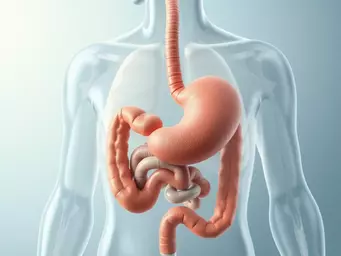
Acid reflux occurs when stomach acid flows back up into the esophagus, the tube connecting your throat and stomach. This backflow can lead to uncomfortable symptoms like heartburn, regurgitation, and even difficulty swallowing. The underlying cause often involves a malfunctioning lower esophageal sphincter (LES), which normally acts as a valve to prevent acid from escaping the stomach. Research from PMC NCBI highlights the critical role of the LES in preventing acid reflux.

Several factors can contribute to acid reflux, including:
- Weakness of the LES
- Obesity or being overweight
- Pregnancy
- Certain foods and drinks, such as spicy or fatty meals
- Smoking and alcohol consumption
Recognizing these triggers can empower you to take control of your digestive health. Are there any specific foods in your diet that seem to worsen your reflux symptoms?
The Importance of the Lower Esophageal Sphincter (LES) in Reflux
The lower esophageal sphincter (LES) plays a critical role in maintaining digestive comfort. This muscle is situated at the junction where your esophagus meets the stomach. When functioning correctly, the LES closes tightly after food passes into the stomach, preventing acid from backing up. However, if the LES is weak or relaxes inappropriately, you may experience reflux symptoms.
It’s essential to understand how the LES works to effectively manage acid reflux. Here are some important points:
- The LES should remain closed during most of the digestive process.
- Conditions like hiatal hernias can affect how well the LES functions.
- Foods and drinks that relax the LES can exacerbate symptoms.
By focusing on strengthening the LES through lifestyle changes, you can significantly improve your digestive health!
Exploring the Connection Between Acid Reflux and Stomach Acid Levels
Many people think that high stomach acid is the primary cause of acid reflux, but that’s not always the case. In fact, it’s often a matter of balance. While some individuals may produce excess stomach acid, others have normal or even low levels, yet still experience reflux symptoms. This indicates that the problem might lie more with the LES than with the acid levels themselves. A study published in Academic.oup.com further delves into the complexities of acid reflux beyond just high acid levels.
To gain a better understanding, consider these connections:
- Overproduction of acid can irritate the esophagus, leading to inflammation.
- Low acid levels may impede proper digestion, causing food to sit in the stomach longer.
- Medications that reduce stomach acid can sometimes lead to increased reflux episodes by affecting the digestive process.
Paying attention to your body’s signals is key. Have you noticed if your symptoms change depending on your diet or medication use? Let’s keep exploring how we can manage acid reflux effectively together!
We Want to Hear From You!
What do you think about dietary changes in managing acid reflux? Share your thoughts below:
Evaluating Your Options: Should You Use Peppermint and Herbal Remedies?
When it comes to managing acid reflux, exploring natural remedies like peppermint and other herbs can feel overwhelming. It’s crucial to weigh the benefits against potential drawbacks. I often remind my patients that understanding the dosage and considering long-term use are essential steps in this journey towards digestive comfort.
So, how much should you use? There’s no one-size-fits-all answer, as personal tolerance varies. For peppermint, many people find that even a small amount can trigger symptoms, while others may tolerate it better. This is why keeping a food diary is a great way to track your reactions and adjust accordingly!
Dosage Considerations and Long-Term Use of Herbal Remedies
When considering herbal remedies, it’s important to keep dosage in mind. Using peppermint, for example, should be approached with caution. Here are some guidelines:
- Start with a small amount, such as a cup of peppermint tea.
- Gradually increase the dosage if no symptoms occur, but monitor your body’s response.
- Avoid excessive use over long periods, as it may lead to rebound symptoms.
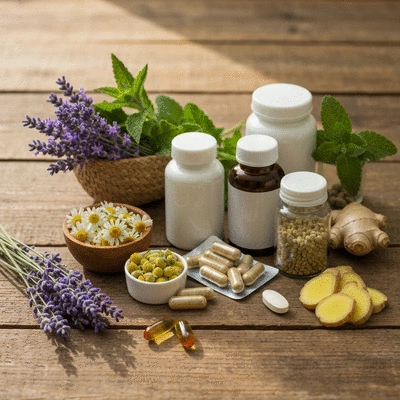
Also, remember that while herbal remedies can be beneficial, they should be part of a holistic approach that includes balanced nutrition and healthy habits.
Potential Interactions with Medications and Other Considerations
It's vital to remember that herbal remedies can interact with medications. For example, peppermint may affect how your body absorbs certain drugs. If you’re taking medication, please consider these factors:
- Consult your healthcare provider before introducing herbal remedies.
- Inform them about all supplements and herbs you are using.
- Watch for symptoms that may indicate interactions, like increased reflux or digestive discomfort.
By being proactive, you can make informed choices that will support your health journey!
Understanding the Role of Dietary Supplements in Managing Acid Reflux
Alongside herbal remedies, dietary supplements can play a role in managing acid reflux. For instance, supplements like probiotics and digestive enzymes can help improve gut health. Here are a few that may be beneficial:
- Probiotics: These can help balance gut flora and may reduce digestive issues.
- Digestive Enzymes: They assist the body in breaking down food, potentially easing reflux symptoms.
- Aloe Vera Juice: Known for its soothing properties, it may help calm the digestive tract.
As always, it’s best to discuss these options with your healthcare provider before starting any new supplements. For more information on the effectiveness and safety of herbal medicines and supplements, you can refer to insights from PMC NCBI's research. Together, you can find a plan that enhances your digestive health!
Recap of Key Points
Here is a quick recap of the important points discussed in the article:
- Acid reflux is primarily caused by a malfunctioning lower esophageal sphincter (LES) allowing stomach acid to flow back into the esophagus.
- Common triggers of acid reflux include obesity, certain foods, smoking, and pregnancy.
- Strengthening the LES through lifestyle changes can significantly improve digestive health.
- High stomach acid is not always the cause of acid reflux; sometimes, the LES's function is more critical.
- When using herbal remedies like peppermint, it's essential to monitor dosage and potential interactions with medications.
- Dietary supplements such as probiotics and digestive enzymes may help manage acid reflux symptoms.
Frequently Asked Questions About Acid Reflux
Q: What is acid reflux?
A: Acid reflux occurs when stomach acid flows back up into the esophagus due to a malfunctioning lower esophageal sphincter (LES). This can cause symptoms like heartburn, regurgitation, and difficulty swallowing.
Q: What causes acid reflux?
A: Acid reflux is often caused by a weak or inappropriately relaxing LES. Other contributing factors include obesity, pregnancy, certain foods (e.g., spicy or fatty meals), smoking, and alcohol consumption.
Q: Is high stomach acid always the cause of acid reflux?
A: No, not always. While high acid can irritate the esophagus, many people with acid reflux have normal or even low stomach acid levels. The primary issue is often a malfunctioning LES that allows acid to escape the stomach.
Q: Can peppermint help with acid reflux?
A: Peppermint should be used with caution for acid reflux. While some find it soothing, it can relax the LES, potentially worsening symptoms for others. It's important to monitor your individual response and discuss with a healthcare provider.
Q: What role do dietary supplements play in managing acid reflux?
A: Dietary supplements like probiotics (to balance gut flora) and digestive enzymes (to aid food breakdown) can help manage acid reflux symptoms. Aloe vera juice, known for its soothing properties, may also be beneficial. Always consult your healthcare provider before starting any new supplements.
Q: How can I strengthen my LES?
A: While direct strengthening exercises for the LES are not commonly prescribed, lifestyle changes can significantly improve its function. These include maintaining a healthy weight, avoiding trigger foods, quitting smoking, reducing alcohol intake, and managing stress.