Surgery and Trauma's Impact on Reflux
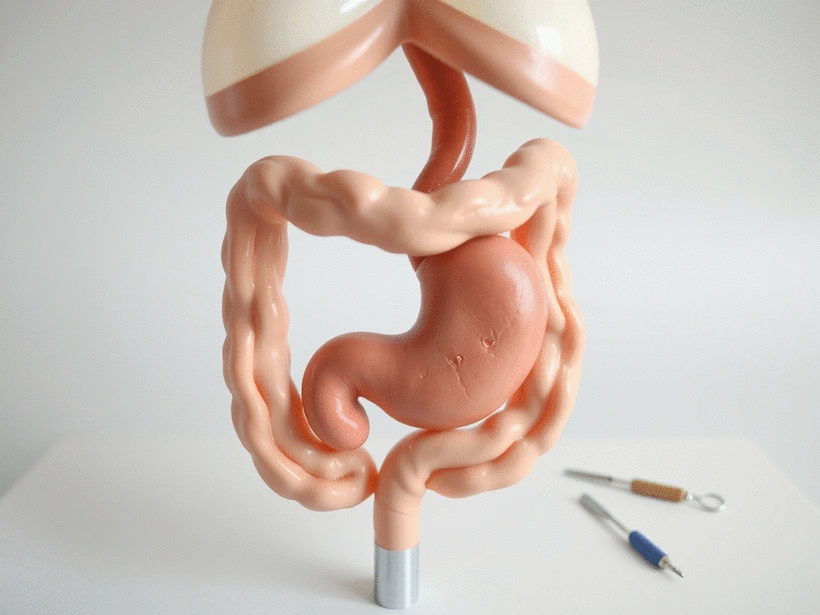
Did you know that up to 30% of patients may experience reflux symptoms after certain surgical procedures? Understanding the connection between surgery, trauma, and acid reflux is pivotal for anyone navigating recovery.
What You Will Learn
- Surgical procedures can disrupt normal digestive processes, leading to increased acid reflux symptoms.
- Awareness of potential reflux symptoms after surgeries like cholecystectomy and gastric bypass is crucial for effective management.
- Chest and abdominal trauma can trigger physiological changes that exacerbate acid reflux, making symptom recognition essential during recovery.
- A hiatal hernia, especially post-surgery, can significantly worsen reflux symptoms, necessitating immediate attention.
- Understanding the expected timeline for symptom resolution post-surgery can help set realistic recovery expectations for patients.
- Implementing proactive strategies such as dietary changes and head elevation can minimize reflux during the healing process.
Acid Reflux Post-Surgery & Trauma: Key Factors & Timeline
Understanding the common triggers and recovery expectations for acid reflux following surgical procedures or physical trauma.
Why Acid Reflux is Common Post-Surgery
- Changes to LES function
- Increased pressure on stomach
- Post-operative inflammation
- Up to 30% of patients experience reflux after procedures like cholecystectomy, appendectomy, bariatric surgeries.
Surgical alterations disrupt normal digestive processes.
How Trauma Triggers Acid Reflux
- Inflammation in abdominal area
- Altered digestive tract motility
- Increased stress levels
- Blunt trauma often leads to more extensive internal injuries and inflammation.
Physiological changes after injury affect digestion.
Reflux Symptom Recovery Timeline
- Weeks 1-2: Initial healing, symptoms heightened.
- Weeks 3-4: Symptoms begin to decrease.
- 1-3 months: Continued improvement with treatments.
- 3-6 months: Resolution for some, ongoing management for others.
Individual recovery varies based on age, health, and surgery type.
Key Preventive Measures During Recovery
- Elevate head while sleeping.
- Eat small, frequent meals.
- Identify and avoid trigger foods.
- Regular follow-up appointments are vital for monitoring progress.
Proactive steps can significantly ease reflux symptoms.
Understanding the Link Between Surgery, Trauma, and Acid Reflux
After surgery or an injury, many people experience a surge in acid reflux symptoms. It's a common concern that can leave individuals feeling uncomfortable and confused as they recover. Understanding the connection between these medical events and acid reflux is essential for managing your digestive health effectively.

As a gastroenterologist, I often see patients who aren’t aware of how surgical procedures or trauma can impact their digestive function. By exploring this relationship, we can better prepare for and manage any reflux symptoms that may arise.
Why Acid Reflux is a Common Concern After Surgery
There are several reasons why acid reflux tends to occur after surgical procedures. One major factor is the way surgeries alter the body’s normal digestive processes. For instance, if the surgery involves the stomach or esophagus, it can disrupt the mechanisms that prevent acid from flowing back into the esophagus.
- Changes to the lower esophageal sphincter (LES) function
- Increased pressure on the stomach due to surgical manipulation
- Post-operative inflammation affecting the digestive tract
These factors make it crucial for patients to be aware of potential reflux symptoms after surgery. By recognizing the signs early, you can take steps to address them with your healthcare provider.
The Role of Surgical Procedures in Altering Digestive Function
Surgical procedures can significantly affect how your digestive system operates. For example, surgeries that involve the stomach, such as gastric bypass, can alter the anatomy and lead to increased acid production. This alteration can hinder the LES's ability to function correctly, resulting in reflux symptoms.
Understanding these changes helps patients anticipate potential complications and seek timely interventions. Being proactive about your digestive health post-surgery can alleviate discomfort and improve your overall recovery experience.
Prevalence of Acid Reflux Following Common Surgeries
Research suggests that acid reflux is quite prevalent following certain procedures, including:
- Cholecystectomy (gallbladder removal)
- Appendectomy
- Bariatric surgeries
In fact, studies indicate that up to 30% of patients may experience reflux symptoms after these surgeries. This statistic highlights the importance of discussing any post-operative discomfort with your healthcare provider to ensure effective management.
How Chest and Abdominal Trauma Contributes to Acid Reflux
Chest and abdominal trauma can also trigger acid reflux. The body undergoes several physiological changes after an injury, which can impact how the digestive system functions. For example, inflammation or damage to the diaphragm can affect the LES, leading to increased acid exposure in the esophagus.
It's essential to understand these changes, as they can help you identify and communicate symptoms effectively. If you've experienced trauma, be vigilant about any digestive issues that arise during recovery.
Physiological Changes Following Trauma: What Happens?
After a traumatic event, several physiological changes can occur:
- Inflammation in the abdominal area
- Altered motility of the digestive tract
- Increased stress levels, which can exacerbate reflux symptoms
Recognizing these changes can be beneficial for managing your health during recovery. Keeping an open dialogue with your healthcare provider can lead to better outcomes.
Comparing Acid Reflux After Blunt vs. Penetrating Trauma
Interestingly, the type of trauma can also influence the severity of acid reflux symptoms. Blunt trauma, such as that from a car accident, often leads to more extensive internal injuries and inflammation, whereas penetrating trauma might create more localized damage.
Understanding these differences can help you anticipate potential reflux challenges and seek appropriate treatment options tailored to your situation.
Impact of Hiatal Hernia on Post-Surgery Reflux Symptoms
A hiatal hernia can exacerbate acid reflux symptoms, particularly when it occurs after surgery. This condition involves the stomach pushing through the diaphragm into the chest cavity, which can increase acid exposure in the esophagus. It’s important to be aware of this potential complication, especially if you’ve undergone abdominal surgery.
Recognizing the symptoms related to a hiatal hernia can help you take action sooner rather than later. Discussing any concerns with your healthcare provider can lead to effective management strategies.
Understanding the Relationship Between Hiatal Hernia and Acid Reflux
The connection between a hiatal hernia and acid reflux is significant. Many patients experience worsening symptoms post-surgery due to this condition. Symptoms may include:
- Heartburn
- Regurgitation of food or sour liquid
- Difficulty swallowing
Being aware of these symptoms can empower you to address them promptly. A proactive approach can lead to better management and ultimately enhance your quality of life.
Diagnosis and Management of Hiatal Hernia Post-Surgery
Diagnosing a hiatal hernia often involves imaging tests, such as an X-ray or endoscopy. If diagnosed, various management strategies can help alleviate symptoms:
- Medications to reduce stomach acid
- Lifestyle modifications, such as diet changes
- Surgery in severe cases to repair the hernia
Working closely with your healthcare provider ensures you receive a tailored approach to managing symptoms effectively.
Pro Tip
Did you know that keeping a food diary can be a powerful tool in managing acid reflux symptoms after surgery? By tracking what you eat and any symptoms that arise, you can identify specific triggers and discuss them with your healthcare provider. This proactive approach notologically helps in personalizing your diet but also enhances communication with your medical team, ensuring a tailored recovery plan!
Expected Outcomes and Recovery Timeline
Recovering from surgery or trauma can be a journey, especially when it comes to managing acid reflux symptoms. Understanding the typical timeline for reflux symptoms after surgery or trauma is essential. In general, many patients start noticing gradual improvement within a few weeks, but this can vary significantly based on individual circumstances.
For some, reflux symptoms may persist beyond the immediate recovery period, leading to questions and concerns. As you navigate through recovery, it’s important to remain patient and proactive in your approach to managing these symptoms.
Understanding the Timeline for Reflux Symptoms Post-Surgery and Trauma
So, when can you expect to see improvements or even resolution of your acid reflux symptoms? Typically, patients experience:
- Weeks 1-2: Initial healing period; symptoms may be heightened due to inflammation.
- Weeks 3-4: Many begin to notice a decrease in symptoms as swelling subsides.
- 1-3 months: Continued improvement; lifestyle changes and treatments start to take effect.
- 3-6 months: For some, symptoms may resolve completely, while others may still need ongoing management.
Each patient’s journey is unique and can be influenced by a variety of factors, including age, overall health, and the type of surgery performed. Understanding these timelines helps set realistic expectations during recovery.
When to Expect Improvement or Resolution of Symptoms
Improvement of acid reflux symptoms can depend on various factors:
- Type of Surgery: Some procedures may have a higher incidence of reflux as a side effect.
- Personal Health Factors: Pre-existing conditions can play a critical role in recovery.
- Adherence to Post-Operative Guidelines: Following dietary and activity recommendations is crucial.

As your body heals, it’s essential to monitor your symptoms closely. If you notice significant changes or worsening symptoms, don’t hesitate to reach out to your healthcare provider for guidance. At What is Acid Reflux, we emphasize the importance of communication with your medical team!
Factors Influencing Recovery: Age, Health, and Surgery Type
Several factors can influence your recovery timeline, including:
- Age: Younger individuals typically heal faster, while older adults may face a longer recovery.
- General Health: Pre-existing health issues can complicate recovery and prolong symptoms.
- Surgery Type: More invasive procedures may lead to longer recovery times compared to minimally invasive surgeries.
Being mindful of these factors and adjusting expectations accordingly is important for a smoother recovery process. It’s normal to feel uncertain, and I encourage you to discuss any concerns with your doctor! They can help you understand what to expect based on your specific circumstances.
Preventive Measures During Recovery
To minimize reflux during the healing process, there are several strategies you can adopt. Taking proactive steps can really make a difference in your recovery experience.
Strategies to Minimize Reflux During the Healing Process
Here are some effective strategies to help manage reflux symptoms:
- Elevate Your Head: Sleeping with your head elevated can prevent nighttime reflux.
- Small, Frequent Meals: Instead of large meals, opt for smaller portions throughout the day.
- Avoid Trigger Foods: Keep a food diary to identify and avoid foods that irritate your stomach.
Implementing these strategies can ease the burden on your digestive system and promote healing. Remember, every little change can contribute to a more comfortable recovery!
Importance of Follow-Up Care and Monitoring
Regular follow-up appointments are vital for monitoring your progress. These visits not only allow your healthcare provider to evaluate your recovery but also provide an opportunity to address any lingering symptoms or concerns. At What is Acid Reflux, we advocate for staying engaged with your medical team and being proactive about your health.
Don't hesitate to reach out if you have questions or notice unexpected symptoms. Open communication is key to navigating your recovery successfully!
Recap of Key Points
Here is a quick recap of the important points discussed in the article:
- Acid reflux symptoms can surge after surgery or trauma due to altered digestive processes.
- Understanding the impact of surgical procedures and trauma on the lower esophageal sphincter (LES) can help in managing reflux symptoms.
- Common surgeries associated with increased reflux include cholecystectomy, appendectomy, and bariatric surgeries.
- Physiological changes after trauma, such as inflammation and altered motility, can contribute to reflux.
- Recognizing the symptoms of a hiatal hernia post-surgery is crucial for timely management.
- Proactive strategies, including elevating the head while sleeping and eating smaller meals, can help minimize reflux during recovery.
Frequently Asked Questions (FAQs)
Why do I get acid reflux after surgery?
After surgery, acid reflux can occur due to changes in the lower esophageal sphincter (LES) function, increased pressure on the stomach from surgical manipulation, and post-operative inflammation affecting the digestive tract. Certain surgeries, especially those involving the stomach or abdominal area, can disrupt normal digestive processes.
Which surgeries are most likely to cause acid reflux?
Common surgeries associated with an increased incidence of acid reflux symptoms include cholecystectomy (gallbladder removal), appendectomy, and various bariatric surgeries. Studies suggest that up to 30% of patients may experience reflux after these procedures.
How does physical trauma lead to acid reflux?
Physical trauma, particularly to the chest and abdomen, can trigger acid reflux through several physiological changes. These include inflammation in the abdominal area, altered motility of the digestive tract, and increased stress levels, all of which can exacerbate reflux symptoms.
Can a hiatal hernia worsen acid reflux after surgery?
Yes, a hiatal hernia can significantly worsen acid reflux symptoms, especially if it develops or is present after surgery. This condition causes the stomach to push through the diaphragm, leading to increased acid exposure in the esophagus. Prompt diagnosis and management are crucial.
How long does acid reflux typically last after surgery or trauma?
The recovery timeline for acid reflux symptoms varies. Generally, symptoms may be heightened during the initial 1-2 weeks of healing. Improvement often begins within 3-4 weeks as swelling subsides, with continued progress over 1-3 months. For some, symptoms resolve completely within 3-6 months, while others may require ongoing management. Recovery is influenced by age, overall health, and the type of surgery or trauma.
What are the best ways to manage acid reflux during recovery?
Effective strategies to minimize reflux during recovery include elevating your head while sleeping, eating small, frequent meals instead of large ones, and identifying and avoiding trigger foods through a food diary. Regular follow-up appointments with your healthcare provider are also vital for monitoring progress and adjusting your treatment plan.