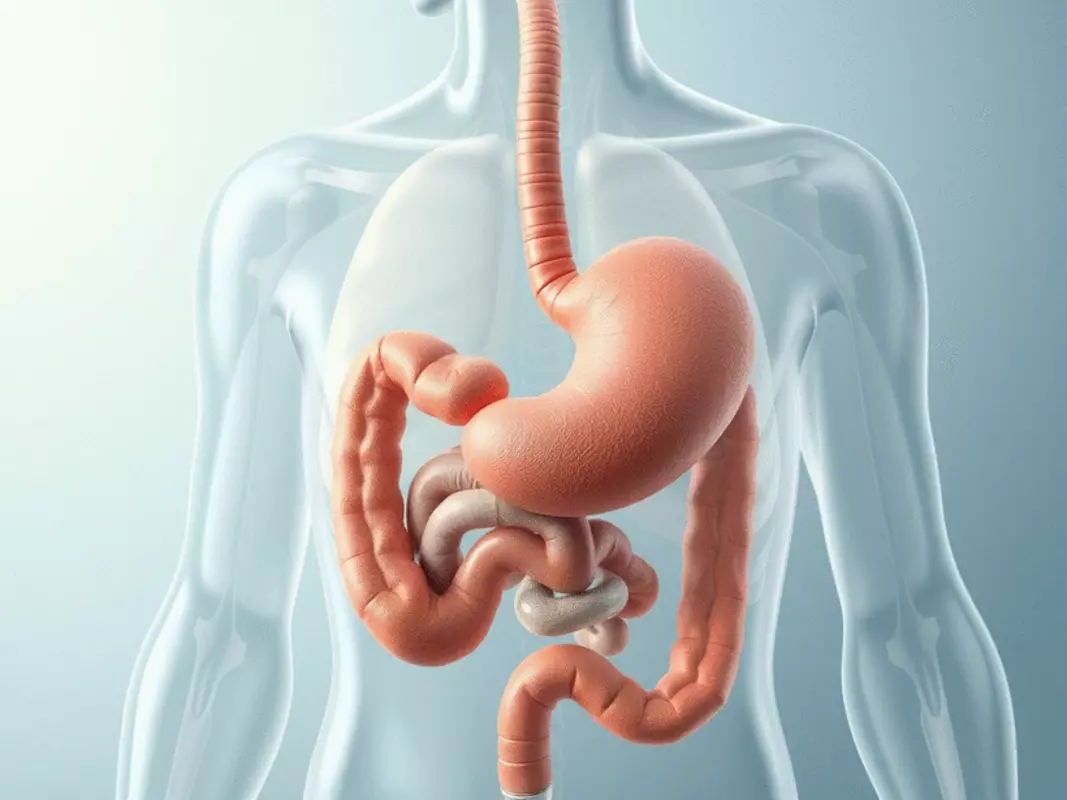
Acid Reflux: Kids vs. Adults

Recognizing the nuances of acid reflux can make a significant difference in managing digestive health. Understanding how symptoms manifest differently in children and adults is essential for timely intervention and care.
What You Will Learn
- Acid reflux symptoms vary significantly between infants, children, and adults, making age-specific recognition vital.
- Common signs of acid reflux in infants include frequent spit-up, irritability, and feeding difficulties.
- In older children and adults, heartburn, chest pain, and throat irritation are more pronounced symptoms of acid reflux.
- Long-term untreated acid reflux can lead to severe complications, including esophagitis and increased cancer risk.
- Parents should monitor their child's eating habits and maintain a symptom journal to aid health discussions with providers.
- Engaging with healthcare providers and asking specific questions can empower parents in managing their child's acid reflux effectively.
Acid Reflux Symptoms: A Comparison Across Age Groups
Acid reflux manifests differently across various age groups. The visual below highlights the key symptomatic differences between infants, older children, and adults, providing a clear overview to aid in early recognition and management.
Infants: Subtle & Behavioral
- ✓Spit-up (frequent)
- ✓Irritability & Crying after feeding
- ✓Feeding difficulties, refusing to eat
- ✓Back arching (discomfort)
Older Children: Developing Symptoms
- ✓Heartburn (burning chest sensation)
- ✓Abdominal pain
- ✓Chronic cough or hoarseness
- ✓Sore throat/Throat irritation
Adults: Pronounced & Chronic
- ✓Chronic heartburn (post-meals/lying down)
- ✓Chest pain (non-cardiac)
- ✓Esophageal irritation & damage (long-term)
- ✓Feeling a lump in the throat
Understanding Acid Reflux Symptoms in Children and Adults
As a gastroenterologist, I often see how acid reflux can significantly impact individuals of all ages, from infants to adults. It's essential to recognize that the symptoms can manifest differently depending on age. Understanding these nuances can help in managing and alleviating discomfort effectively.
In children, the signs of acid reflux can be quite subtle, while in adults, they tend to be more pronounced. As we explore the different symptoms and indicators, we will identify practical strategies that can be employed to improve digestive health for everyone involved. Let’s dive deeper into the specifics of how acid reflux presents across various age groups.

What is Acid Reflux and How Does it Differ by Age?
Acid reflux, or gastroesophageal reflux (GER), occurs when stomach acid flows back into the esophagus. This backflow can lead to various symptoms, which are often age-dependent. In infants, reflux may be more about feeding and behavior, while in adults, it often presents as discomfort in the chest and throat.
- Infants: Symptoms often include spit-up and irritability.
- Older children: They may experience heartburn and abdominal pain.
- Adults: Symptoms can escalate to chronic heartburn and esophageal irritation.
This difference in symptom presentation highlights the importance of tailored approaches to treatment, especially as children grow and their digestive systems mature. Research published in PMC NCBI NLM further emphasizes these age-related distinctions.
Key Symptoms of Acid Reflux in Infants
When it comes to infants, recognizing the signs of acid reflux can be challenging. Many parents may not realize that their baby’s discomfort stems from reflux. Two of the most common symptoms are spit-up and feeding difficulties, which can be distressing for both the child and the parents.
Recognizing Spit-Up and Feeding Difficulties
Spit-up is a hallmark symptom of acid reflux in infants. While it's normal for some babies to spit up occasionally, frequent spit-up may indicate reflux. Feeding difficulties can also arise, as babies may refuse to eat or show signs of distress during feeding, making it important to monitor their eating habits closely. For a deeper understanding of infant reflux, including diagnostic criteria and treatment, consult the insights provided by Wiley Online Library.
Behavioral Indicators: Irritability and Arching
In addition to feeding issues, behavioral indicators can also be telling. Infants with acid reflux may exhibit irritability, often crying persistently after feedings. Another behavioral signal is arching their back, which can indicate discomfort as they try to alleviate pressure in their stomachs. Understanding these signs can help parents seek appropriate interventions sooner.
Identifying Acid Reflux Symptoms in Older Children and Adults
In older children and adults, the symptoms of acid reflux can manifest in more familiar ways. Heartburn, a burning sensation in the chest, is often the most reported symptom. However, being aware of the broader range of symptoms is crucial.
Typical Heartburn and Chest Pain Experiences
Adults frequently describe acid reflux through experiences of heartburn that can be quite painful. This sensation may worsen after meals or when lying down. Recognizing these patterns can aid in identifying triggers and managing symptoms effectively.

Long-Term Symptoms and Complications to Be Aware Of
It's essential to recognize that long-term acid reflux can lead to more serious health issues if left untreated. For instance, chronic reflux can result in esophagitis or even Barrett's esophagus, increasing the risk of esophageal cancer. This makes early detection and intervention vital. Further details on the long-term impact of GERD and its management can be found in PMC NCBI NLM.
Understanding Throat Irritation and Hoarseness
Another symptom that often gets overlooked is throat irritation, which can manifest as a chronic cough or hoarseness. Individuals may feel a lump in their throat or persistent discomfort. These symptoms are not only bothersome but can also impact daily life significantly.
Pro Tip
When managing acid reflux symptoms, consider keeping a food diary. This can help you identify specific trigger foods and patterns that may worsen symptoms. By knowing what to avoid, you can make informed dietary choices that promote better digestive health for both you and your child.
Frequently Asked Questions About Acid Reflux
How Much Spit-Up is Normal for Infants?
It’s common for infants to spit up after feedings, but understanding what is considered normal can help ease your worries. Typically, small amounts of spit-up are expected, but larger volumes or changes in frequency should be discussed with your pediatrician.
When Does Reflux Transition to GERD?
Reflux becomes gastroesophageal reflux disease (GERD) when symptoms are more severe, frequent, or lead to complications. Recognizing the difference is crucial for managing your child's health effectively.
What are the Long-Term Effects of Untreated Reflux?
Untreated acid reflux can lead to complications like esophagitis or respiratory issues. If you suspect your child is experiencing reflux, it’s vital to seek guidance from a healthcare provider.
How Can Dietary Modifications Help Manage Symptoms?
Dietary modifications can significantly help manage acid reflux symptoms. Identifying and avoiding trigger foods, along with incorporating a balanced diet, can lead to improvements in your child's comfort and overall health.
Conclusion: Essential Takeaways for Parents
Understanding acid reflux in children and adults is vital for ensuring digestive health and overall well-being. By familiarizing yourself with the symptoms associated with acid reflux, you can identify issues early and seek appropriate care. Remember, being informed is the first step toward effective management!
As a gastroenterologist, I often see families grappling with the confusion surrounding reflux symptoms. It’s important to recognize that both children and adults can experience unique manifestations of acid reflux, and knowing what to look for can empower parents in their journey toward finding relief.
Building Awareness and Understanding of Reflux Symptoms
Awareness is key! Parents must educate themselves about the various symptoms of acid reflux that can affect their children. By doing this, you can better advocate for your child's health and make informed decisions about their care. Here are some essential points to keep in mind:
- Monitor your child's eating habits and note any symptoms after meals.
- Keep a journal of their symptoms to discuss during doctor visits.
- Be mindful of common triggers like certain foods or lying down after eating.
- Engage with supportive communities that share experiences and advice.
These strategies not only help in managing your child's symptoms but also promote a proactive approach to their digestive health.
Empowering Parents to Make Informed Decisions
Having a good understanding of acid reflux allows parents to make informed decisions about their child's health. When it comes to treatment options, knowledge is power! Discussing your observations with healthcare providers can lead to better outcomes. Here are some actionable steps:
- Share your child's symptom diary with the pediatrician.
- Ask about potential lifestyle changes that could alleviate symptoms.
- Inquire about dietary modifications that can make a difference.
These conversations can open doors to effective management strategies tailored to your child's specific needs. As a mother myself, I know how crucial it is to feel equipped with the right information!
Resources for Ongoing Support and Information
At What is Acid Reflux, we are dedicated to providing families with the tools needed to understand and manage acid reflux. Here are some resources you might find helpful:
- Comprehensive articles on acid reflux symptoms and treatment options.
- Guides on dietary modifications that can help ease symptoms.
- Support forums for families dealing with similar challenges.
These resources can serve as a valuable reference point as you navigate the complexities of managing acid reflux in your child.
Engaging with Healthcare Providers: Next Steps
Questions to Ask Your Pediatrician
When seeking help for your child's acid reflux, preparation is key! Here are some questions you might consider asking your pediatrician to gain a better understanding of your child's condition:
- What are the best diagnostic tests for my child?
- What treatment options do you recommend based on our observations?
- How can we effectively monitor progress and make adjustments?
These questions can guide your discussions and ensure you leave the appointment feeling well-informed about the next steps.
Understanding Treatment Options and Long-Term Care
It’s essential to understand the treatment options available for your child and how to ensure their long-term care is managed effectively. A comprehensive care plan can make a world of difference!
Creating a Care Plan Tailored to Your Child’s Needs
Working with your healthcare provider, you can create a personalized care plan that addresses your child’s unique symptoms and lifestyle. Consider the following elements when developing this plan:
- Dietary adjustments to minimize reflux occurrences.
- Scheduled follow-ups to monitor health progress.
- Strategies for managing symptoms during growth spurts or developmental changes.
By tailoring a care plan specifically for your child, you will set a foundation for better digestive health and overall well-being!
Recap of Key Points
Here is a quick recap of the important points discussed in the article:
- Acid reflux symptoms vary by age: infants may show irritability and spit-up, while older children and adults often experience heartburn and chest pain.
- Recognizing feeding difficulties and behavioral indicators in infants is crucial for early intervention.
- Long-term untreated acid reflux can lead to serious health complications, such as esophagitis and increased cancer risk.
- Parents should maintain symptom journals and discuss observations with healthcare providers to facilitate effective management.
- Creating a tailored care plan with dietary adjustments and regular follow-ups can significantly improve digestive health.