Dining Out with GERD: Safe Tips
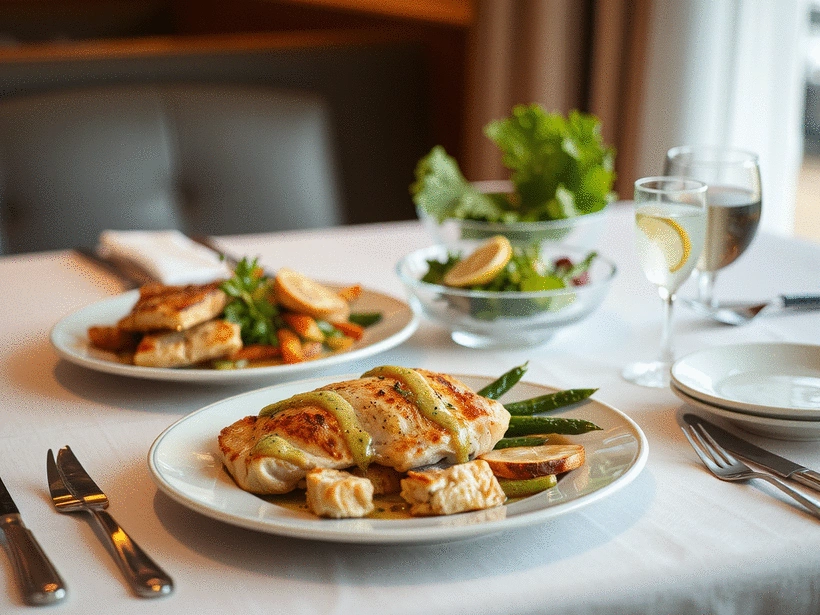
What if your next dining experience could be both enjoyable and safe, even with GERD? By understanding your triggers and making informed choices, you can navigate restaurant menus with confidence!
What You Will Learn
- Recognize common GERD symptoms like heartburn and dysphagia to manage your condition effectively.
- Identify key trigger foods to avoid, including fatty items, acidic foods, and alcohol.
- Learn the importance of reading menus carefully to avoid hidden triggers in dishes.
- Discover GERD-friendly food options such as grilled meats, steamed vegetables, and low-acid fruits.
- Gain cuisine-specific tips for enjoying meals at Mexican, Asian, and Italian restaurants without discomfort.
- Understand how to communicate your dietary needs effectively to restaurant staff for a better dining experience.
- Explore long-term management strategies, including careful meal planning and using technology to track triggers.
GERD Management: Safe vs. Trigger Foods for Dining Out
Navigating restaurant menus with GERD can be easy with a clear understanding of what to seek and what to avoid. This guide highlights key food categories to help you make informed choices.
✅ GERD-Friendly Choices
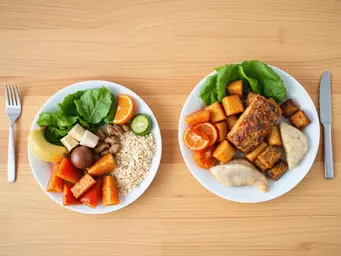
- ✔ Grilled Meats (non-marinated)
- ✔ Steamed Vegetables (lightly seasoned)
- ✔ Broth-Based Soups
- ✔ Baked Potatoes (plain)
- ✔ Whole Grains (bread, rice)
- ✔ Low-Acid Fruits (bananas, melons)
- ✔ Low-Acid Vegetables (broccoli, zucchini)
- ✔ Pasta with Olive Oil
- ✔ Steamed Dumplings
❌ Foods to Avoid (Triggers)
- ✖ Fatty & Fried Items
- ✖ Acidic Foods (citrus, tomatoes)
- ✖ Spicy Dishes
- ✖ Alcohol & Caffeine
- ✖ Heavy Cream Sauces
- ✖ Peppermint
- ✖ Chocolate
- ✖ Garlic & Onions
- ✖ Carbonated Beverages
Practical Strategies for Dining Out with GERD
Dining out can be a delightful experience, but for those of us managing GERD (Gastroesophageal Reflux Disease), it can also bring a wave of anxiety. Understanding how GERD manifests and recognizing common symptoms is essential. Symptoms like heartburn, regurgitation, and difficulty swallowing can be triggered by certain foods, making it crucial to know your options before you step into a restaurant. For more details on managing GERD with diet, you can refer to insights from GI Associates.
When you’re aware of your symptoms and triggers, dining out becomes less daunting. With a little preparation, you can enjoy meals while keeping your digestive health in check!
Understanding GERD: Symptoms and Triggers
GERD symptoms often strike unexpectedly. Many individuals experience:
- Heartburn or a burning sensation in the chest
- Regurgitation of food or sour liquid
- Dysphagia (difficulty swallowing)
- Chronic cough or sore throat
Identifying your personal triggers can make a world of difference in managing these symptoms effectively. Often, the excitement of dining out can lead to overlooking these triggers!
Key Foods to Avoid When Eating Out
Identifying Trigger Foods for GERD Sufferers
It’s vital to be aware of certain foods that can exacerbate GERD symptoms. Here are the main offenders:
- Fatty and fried items
- Acidic foods, like citrus fruits and tomatoes
- Spicy dishes
- Alcohol
- Caffeine
By steering clear of these foods when dining out, you can significantly reduce the risk of flare-ups. Remember, it’s all about making informed choices!
Importance of Reading Menus Carefully
Menus can be a maze of tempting options, but they can also hide ingredients that trigger GERD symptoms. Take your time to read through the menu carefully. Look for:
- Descriptions that mention frying or heavy sauces
- Items with citrus or tomato-based sauces
- Spicy seasoning or marinating methods
Being proactive about reading menus not only helps you avoid harmful ingredients but also equips you to ask your server informed questions!

Safe Culinary Choices for Dining Out
While there are foods to avoid, there are also plenty of delicious options that can keep your GERD symptoms in check. Consider selecting:
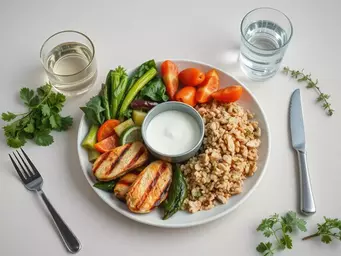
- Grilled meats that are not heavily marinated
- Steamed vegetables that are lightly seasoned
- Broth-based soups that are easy on the stomach
Choosing these options can help you enjoy a satisfying meal without the worry of triggering a reflux episode!
Whole Grains and Lean Proteins: Good Choices for GERD
Including whole grains and lean proteins in your meals can be both nutritious and GERD-friendly. Some great choices include:
- Baked potatoes without heavy toppings
- Grilled chicken or turkey
- Whole grain bread or rice
These options not only promote better digestion but also help you feel full and satisfied.
Low-Acid Foods to Incorporate When Dining Out
Incorporating low-acid foods into your meals can enhance your dining experience while minimizing GERD symptoms. Think about adding:
- Non-citrus fruits like bananas and melons
- Low-acid vegetables such as broccoli and zucchini
These foods can help keep your meal balanced and enjoyable, without the worry of discomfort later.
Cuisine-Specific Tips for Eating Out with GERD
Mexican Cuisine: Safe Picks to Enjoy
Mexican food can be a challenge, but you can find safe options! Look for:
- Fajitas with grilled chicken or beef (skip the onions)
- Guacamole (without extra spices)
- Soft corn tortillas instead of flour
These choices can allow you to indulge in the flavors of Mexico while keeping GERD symptoms at bay!
Asian Cuisine: Heartburn-Friendly Options
When dining at Asian restaurants, consider dishes like:
- Beef broccoli, which is generally safe
- Steamed dumplings with low-sodium soy sauce
- Plain white rice or noodle dishes without fatty sauces
These options can help you enjoy a satisfying meal without the risk of heartburn.
Italian Dining: What to Order and What to Avoid
Italian cuisine offers plenty of choices. Here’s how to navigate it:
- Opt for pasta with olive oil instead of heavy cream sauces
- Ask for grilled proteins instead of fried options
- Choose low-acid tomato sauces or pesto instead of traditional marinara
By making these adjustments, you can savor your meal while minimizing GERD symptoms!
Communication is Key: Interacting with Restaurant Staff
How to Effectively Communicate Your Needs
Being clear about your dietary needs can make a significant difference. When speaking with your server, consider:
- Asking how dishes are prepared
- Requesting modifications to recipes (like no spice)
- Inquiring about the ingredients in sauces or dressings
Effective communication can lead to a more enjoyable dining experience and help you avoid unnecessary discomfort! For additional tips on dining out with GERD, check out advice from Healthline.
Using Medication as a Safety Net
Don’t forget to bring along your antacids or alginates when dining out. Having a safety net can provide peace of mind, allowing you to focus on enjoying your meal instead of worrying about potential symptoms.
Long-Term Management: Developing Healthy Eating Habits
Post-Meal Practices to Consider
After your meal, some healthy practices can go a long way. For example, avoiding late-night meals can significantly help manage reflux symptoms. Giving your body time to digest before bed is crucial!
Meal Planning and Portion Control for GERD Management
Careful meal planning can help you control portions and choose GERD-friendly foods. Consider keeping a food diary to track what works and what doesn’t. This can empower you to make better choices over time.
Leveraging Technology for GERD Management
In this digital age, there are several apps and food diaries that can assist you in tracking triggers and finding safe dining options. Embrace technology to enhance your GERD management journey!
Pro Tip
When dining out, always consider the cooking methods used for your food. Opt for grilled, baked, or steamed options instead of fried or sautéed dishes. This simple choice can greatly reduce the risk of GERD symptoms by minimizing added fats and heavy sauces!
Frequently Asked Questions (FAQs) About Dining Out with GERD
- Q: What are the main symptoms of GERD I should be aware of when dining out?
- A: Key symptoms include heartburn, regurgitation of food or sour liquid, and dysphagia (difficulty swallowing). Recognizing these can help you manage your condition effectively.
- Q: Which foods should I absolutely avoid to prevent GERD flare-ups?
- A: It's best to avoid fatty and fried items, acidic foods (like citrus and tomatoes), spicy dishes, alcohol, and caffeine. These are common triggers for many GERD sufferers.
- Q: How can I choose GERD-friendly options at a restaurant?
- A: Look for grilled meats, steamed vegetables, broth-based soups, baked potatoes, whole grains, and low-acid fruits and vegetables. These options are generally easier on the stomach.
- Q: What are some safe choices when eating Mexican, Asian, or Italian cuisine?
- A: For Mexican, opt for fajitas with grilled chicken/beef (no onions) or guacamole. For Asian, choose beef broccoli or steamed dumplings. For Italian, go for pasta with olive oil or grilled proteins instead of heavy sauces or fried items.
- Q: How important is it to communicate my dietary needs to restaurant staff?
- A: Extremely important! Clearly communicating your needs, asking about preparation methods, and requesting modifications can significantly improve your dining experience and help prevent discomfort. For more helpful ideas, consider these tips for dining out with GERD.
- Q: Are there any long-term strategies for managing GERD while dining out?
- A: Yes, consider avoiding late-night meals, practicing careful meal planning and portion control, and using apps or food diaries to track triggers and safe options. These habits contribute to better long-term management.
Recap: Navigating Dining Out with GERD
As we wrap up our discussion on managing GERD while dining out, it's crucial to remember the essential strategies we've explored. From identifying trigger foods to making informed choices and effectively communicating with restaurant staff, these tools empower you to enjoy your meals without the fear of discomfort. Staying aware and prepared can make all the difference!
Engaging with Your Dining Experience
Dining out doesn't have to be a stressful experience for those of us managing GERD. By embracing our dining experiences with a proactive mindset, we can savor the joy of sharing meals with friends and family. Making informed choices and communicating your dietary needs effectively are key steps in ensuring a pleasurable outing.
- Research your restaurant's menu ahead of time to spot safe options.
- Don’t hesitate to ask your server questions about ingredient preparation.
- Consider dining during off-peak hours to enjoy a more relaxed atmosphere.
By taking these steps, you can transform your dining experience into a delightful one, free from unnecessary worry.

Take Charge of Your GERD Management
It's time to take charge of your GERD management journey! I invite you to download our personalized GERD-friendly dining checklist or menu cheat sheet. This handy resource will help you enhance your dining experiences by highlighting safe food choices and strategies tailored to your needs.
Additionally, I encourage you to share your experiences and tips in the comments section below! Engaging with others on similar journeys can foster a sense of community and provide valuable insights into managing GERD. Together, we can inspire each other to make healthier dining choices and support one another on this path to improved digestive health.
Recap of Key Points
Here is a quick recap of the important points discussed in the article:
- Understanding GERD symptoms such as heartburn, regurgitation, and difficulty swallowing is crucial for effective management.
- Avoid trigger foods like fatty items, acidic foods, spicy dishes, alcohol, and caffeine to minimize flare-ups.
- Carefully reading menus helps identify harmful ingredients and allows for informed questions to your server.
- Opt for GERD-friendly foods like grilled meats, steamed vegetables, and low-acid fruits when dining out.
- Communicating your dietary needs clearly with restaurant staff can enhance your dining experience.
- Post-meal practices such as avoiding late-night meals can further aid in managing GERD symptoms.